



Articles
Laundry Management with NFC Technology
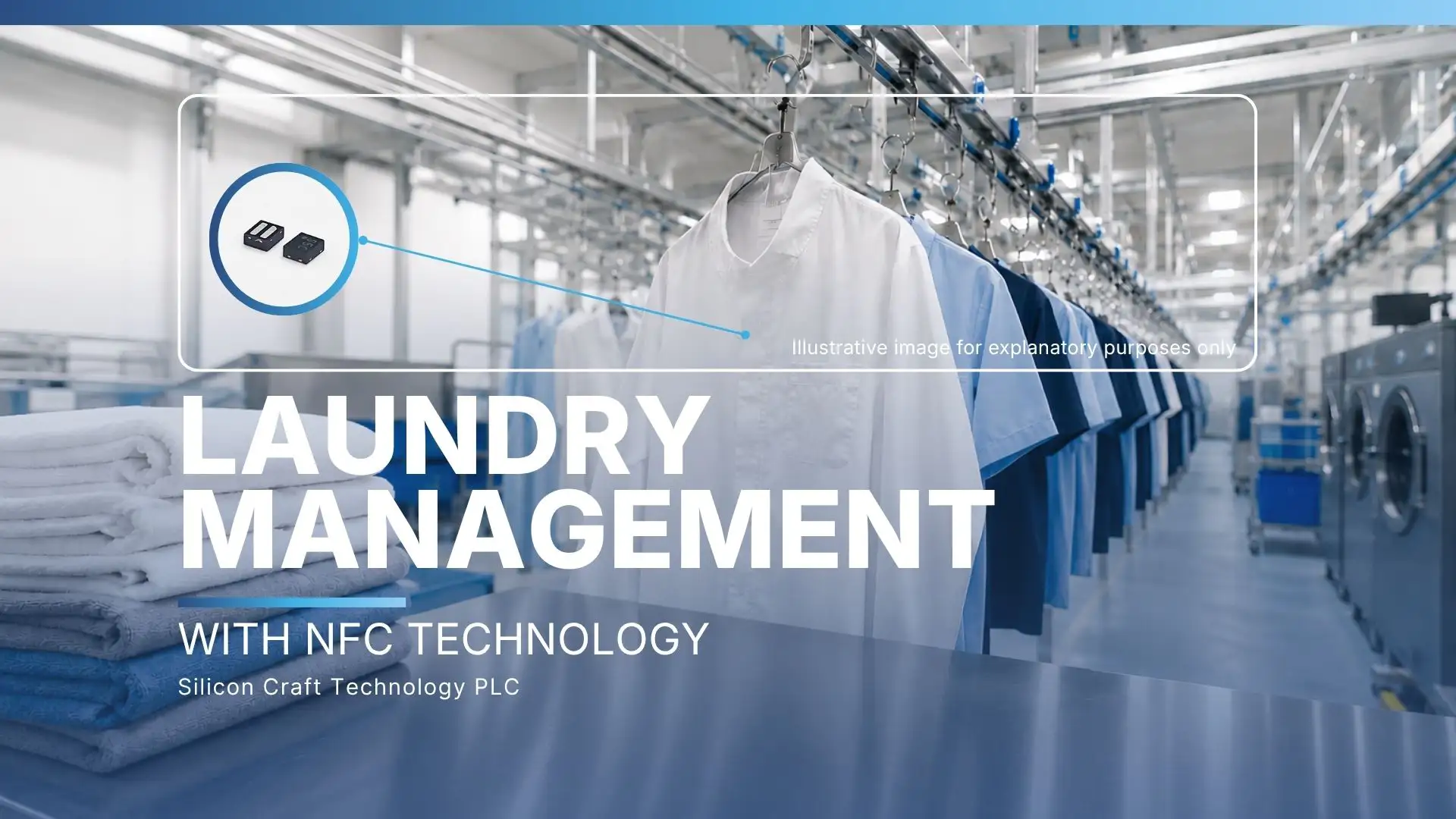
Managing large volumes of linens, uniforms, garments, and other textile assets can be challenging. Hotels, hospitals, industrial laundries, and uniform rental providers all face this problem. Industry data shows hotels can lose 20 to 30 percent of linen inventory annually. That loss often costs tens of thousands of dollars a year. NFC technology offers a way to solve these challenges by automating identification and tracking, supporting smarter laundry management. Without an automated tracking system, organizations often face inventory inaccuracies and misplaced items. As a result, excessive replacement costs and time-consuming manual counting follow.
RFID technology helps address these challenges by assigning a unique digital identity to each textile item. For example, operators can embed an RFID tag into a garment or linen. The tag then lets them automatically identify and track individual items throughout their lifecycle. This provides greater visibility and operational efficiency.
What Is SIC56NL?
SIC56NL is a High Frequency (HF) RFID chip that Silicon Craft Technology designed for textile tracking. It supports NFC technology applications for laundry and uniform management specifically. This makes SIC56NL well suited for laundry management in hotels, hospitals, and industrial laundries. Operating at 13.56 MHz, it supports ISO/IEC 15693 and NFC Forum Type 5 standards. As a result, it suits asset tracking applications, including laundry and textile management. Silicon Craft Technology specifically positions the chip for applications such as laundry tagging, asset tracking, and inventory management.
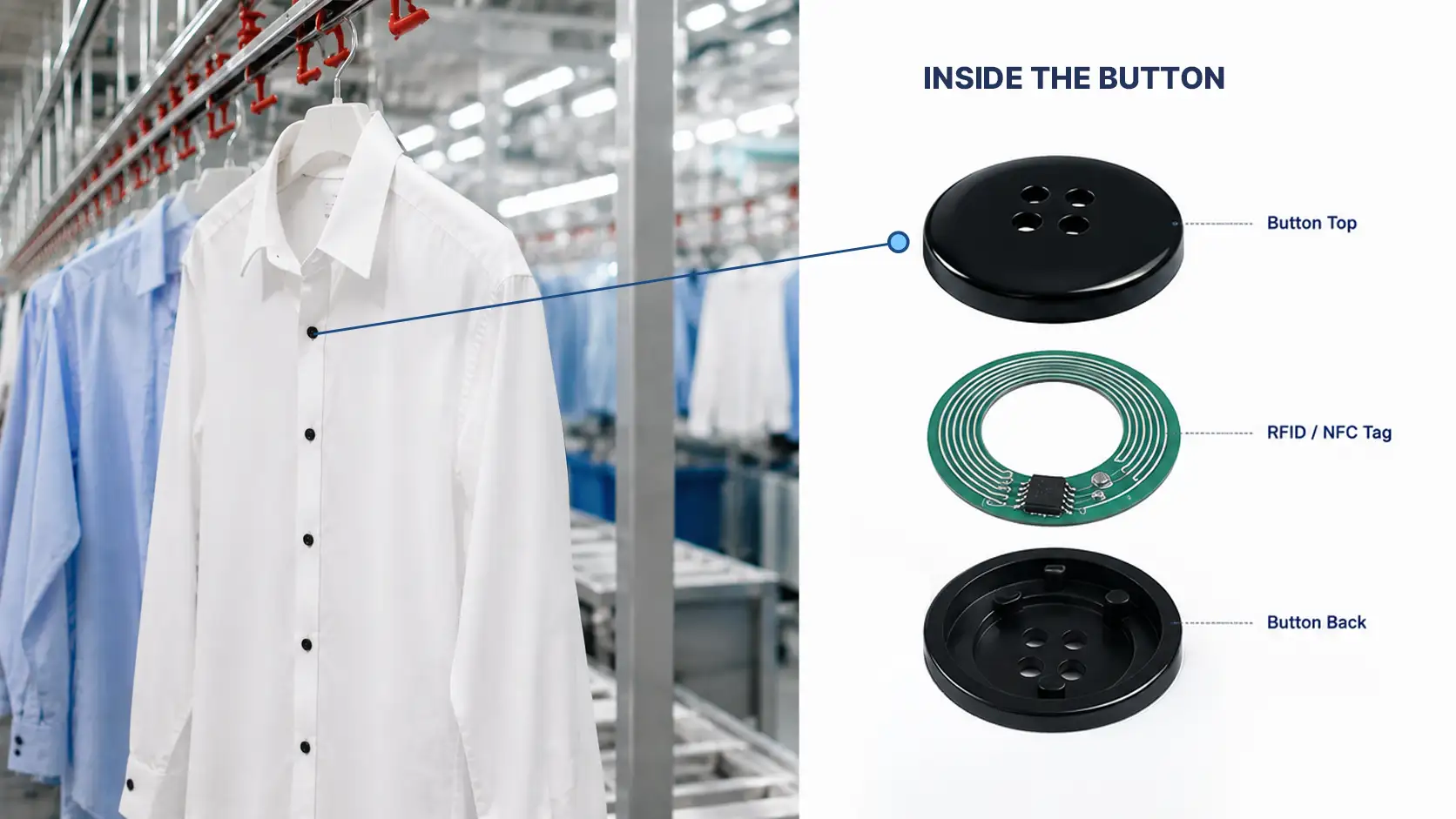
Fig. 1. SIC56NL chip embedded in a tag inside a shirt button.
How SIC56NL Works in Laundry Operations
In a typical laundry operation, operators sew RFID tags containing SIC56NL into items such as bedsheets, towels, uniforms, or workwear. Then, as these items move through collection, washing, storage, and distribution, RFID readers automatically identify and record their presence. Consequently, this eliminates much of the manual effort tied to counting and tracking textiles, streamlining laundry management overall.
Key Benefits of RFID-Based Laundry Management
Key benefits include:
- Faster inventory counting and auditing
- Reduced losses and misplaced assets
- Improved asset visibility and traceability
- Better lifecycle and wash-cycle management
- Increased operational efficiency
SIC56NL offers several features that support these benefits, including:
- ISO/IEC 15693 compliance
- Multi-tag reading through anti-collision functionality
- 320 bytes of user memory
- Password protection
- 50-year data retention
- Up to 100,000 write cycles
- Reprogrammable digital signature capability
NFC Forum Type 5 and Smartphone Access
One of the key differentiators of SIC56NL is its support for NFC Forum Type 5. This standard brings NFC technology directly into everyday laundry and uniform workflows. In addition to industrial RFID readers, compatible smartphones can also access the tag. This creates opportunities for mobile applications such as housekeeping audits, uniform verification, maintenance tracking, and asset inspections. Staff can complete these tasks without requiring specialized RFID equipment.
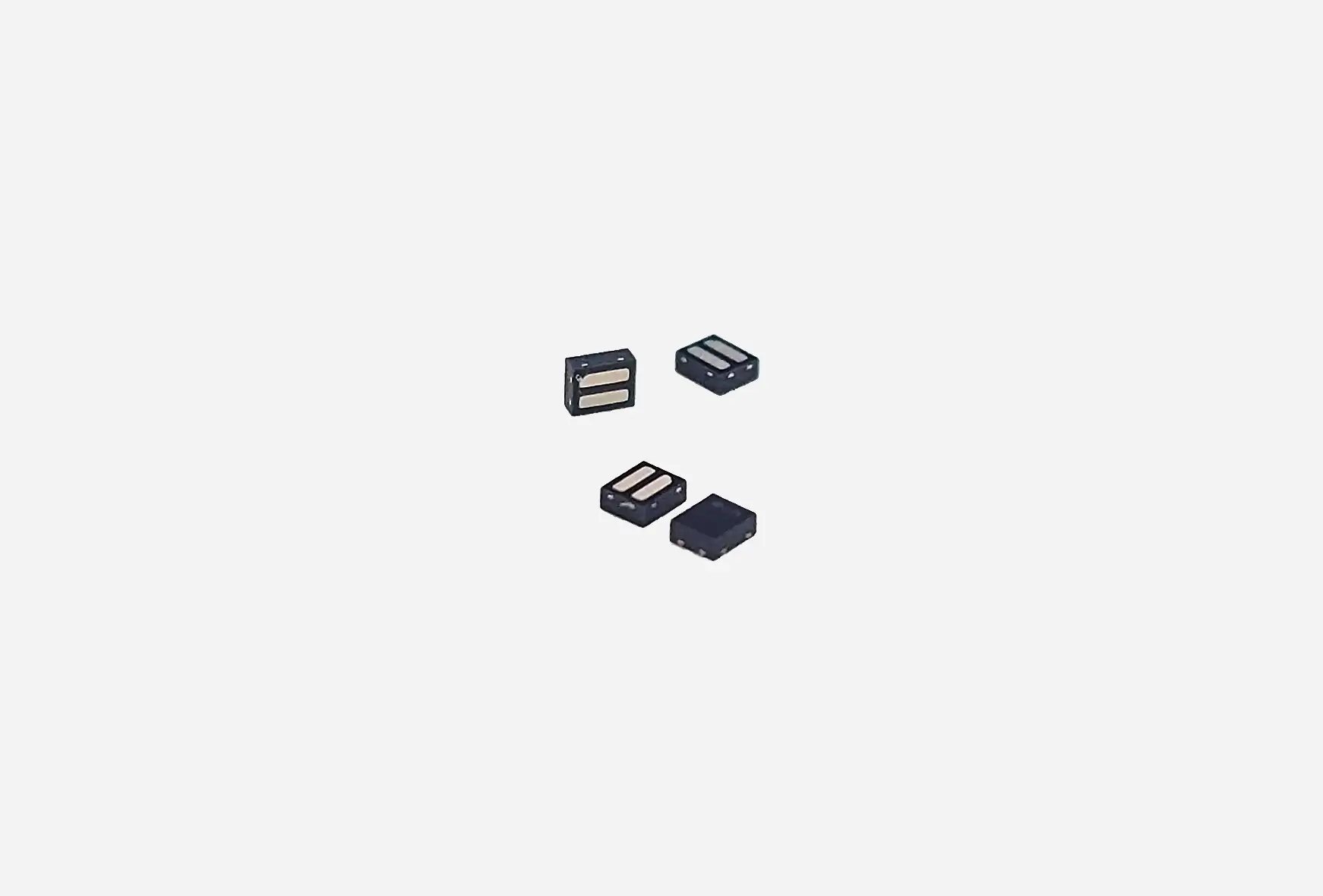
Fig. 2. SIC56NL HF RFID chip supporting NFC Forum Type 5.
Built for Long-Term Field Reliability
The chip also includes an ECDSA-based digital signature feature that authenticates tags and helps protect against cloning. This capability is not essential for every laundry application. However, it can add value for uniform rental services, premium textile products, and broader laundry management through asset authentication programs.
The Bottom Line
SIC56NL combines industry-standard HF RFID technology with smartphone compatibility and security features to support modern textile management solutions. By giving every textile item a unique digital identity, organizations gain better control over laundry management. They can improve operational visibility, reduce costs, and streamline laundry and asset management processes.
Source: Hospitality Linen Management Undergoes a Digital Transformation