



RFID Insight
Efficient EV Battery Production with RE31 & SIC56NL Chips
Efficient EV Battery Production
The electric vehicle industry is growing faster than ever. Global electric car sales surpassed 20 million units in 2025, with one in four new cars sold worldwide being electric [1]. The global EV market is forecast to grow from USD 1,145.51 billion in 2024 to USD 1,857.33 billion by 2035, fueled by tightening emission regulations, falling battery costs, and expanding charging infrastructure [2]. Supporting this growth, the global EV battery market was valued at USD 76.99 billion in 2025 and is projected to reach USD 116.81 billion by 2034, with Asia Pacific accounting for the largest share of demand [3].

Fig. 1: A woman monitoring her electric vehicle charging session via a smartphone app.
What is EV Battery Production?
In EV battery production and manufacturing, several operational challenges can significantly impact efficiency, quality, and overall production performance. The complexity of battery assembly processes, combined with the need for strict traceability, often leads to difficulties in tracking materials, work-in-process items, and finished battery packs throughout the production line. Inaccurate or delayed data collection can result in misplaced components, production bottlenecks, and reduced visibility into real-time manufacturing status.
Quality control is another critical concern, as even a minor defect in battery cells or assembly processes can lead to safety risks, product failures, or costly recalls. Additionally, manual data entry and barcode-based processes are often prone to human error, limiting production accuracy and slowing decision-making. As EV battery manufacturing continues to scale globally, manufacturers require more reliable and automated solutions to improve traceability, enhance process visibility, and maintain consistent product quality.
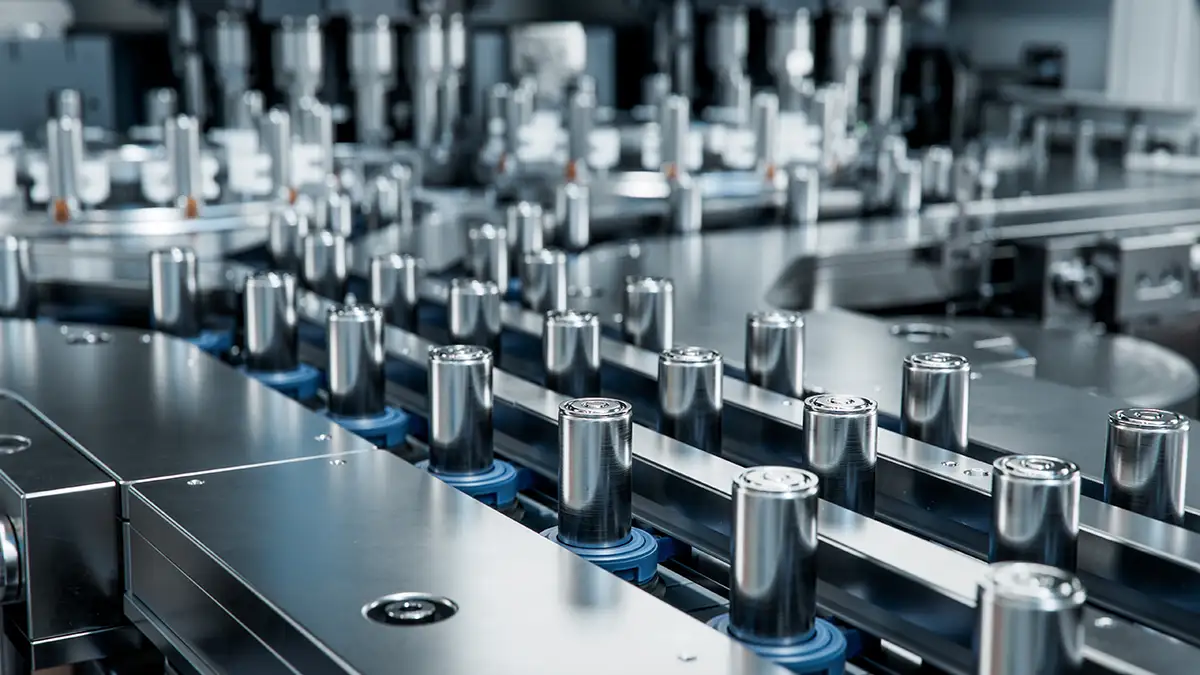
Fig. 2: An automated production line manufacturing cylindrical lithium-ion battery cells for electric vehicles.
Key Problems in EV Battery Production:
Speed, Traceability, and Accuracy
As global EV demand continues to grow, battery manufacturers are under increasing pressure to improve production efficiency while maintaining high quality and safety standards. However, EV battery production is highly complex and requires precise tracking throughout every manufacturing stage. Several key challenges continue to impact production performance and operational reliability.
Speed vs. Reliability
Modern EV battery production lines operate at extremely high speeds to meet market demand and maximize throughput. However, increasing production speed can also increase the risk of missed identification, incomplete data capture, or communication errors—especially when tracking fast-moving work piece carriers across automated production lines.
End-to-End Traceability
Battery systems require complete lifecycle traceability due to strict safety, quality, and regulatory requirements. Manufacturers must accurately track battery cells, modules, and components throughout multiple manufacturing stages, ensuring that all production data remains linked correctly without loss or mismatch.
Accuracy in Harsh Industrial Environments
EV battery production environments contain several technical challenges such as vibration, dust, and high-speed automation systems. Conventional identification technologies such as QR codes or barcodes may suffer from visibility limitations, contamination issues, or unstable reading performance under these conditions.
Without a reliable identification and tracking system, these challenges can lead to:
- Production delays
- Incorrect process routing
- Reduced manufacturing visibility
- Quality escapes
- Costly product recalls
How HF RFID Enables High-Speed Work Piece Carriers
High-Frequency (HF) RFID technology has become an important solution for modern EV battery manufacturing, particularly in high-speed work piece carrier applications where stable communication, accurate identification, and real-time data exchange are critical.
Operating at 13.56 MHz, HF RFID provides reliable communication performance even in industrial environments affected by dust contamination, vibration and electrical noise. Unlike QR codes or barcode systems, HF RFID does not require direct line-of-sight, allowing stable operation even under poor lighting conditions, surface contamination, scratches, or partially damaged labels. This enables seamless and automated communication between the RFID reader and tag during production processes.
In high-speed work piece carrier systems, HF RFID tags can be mounted directly onto moving or rotating carriers while continuously communicating with readers throughout the production line. This allows manufacturers to perform real-time read and write operations without interrupting production flow.
Key Advantages:
Hi-Speed On-Carrier Data Storage:
HF RFID enables direct read/write access to data stored on the workpiece carrier itself, allowing real-time production information to be updated dynamically throughout the manufacturing process. Unlike QR or barcode systems, which typically store only identification data and rely heavily on external databases, HF RFID supports decentralized data storage directly on the carrier.
Hi-Speed Identification & Data Reading:
HF RFID enables instant and automatic identification of workpieces, battery modules, or carriers without stopping the production line. Even in high-speed automation environments, stable communication can be achieved using standard industrial RFID readers, while QR or barcode systems typically require high-end cameras and controlled lighting to achieve similar performance.
Robust Against Interference
HF RFID performs consistently in challenging industrial environments that include:
-
- Dust contamination
- Vibration
- Poor lighting conditions
Unlike QR or barcode systems, HF RFID is less affected by surface damage, contamination, or visibility limitations.
By integrating HF RFID into work piece carriers, manufacturers can achieve seamless tracking while maintaining production efficiency.
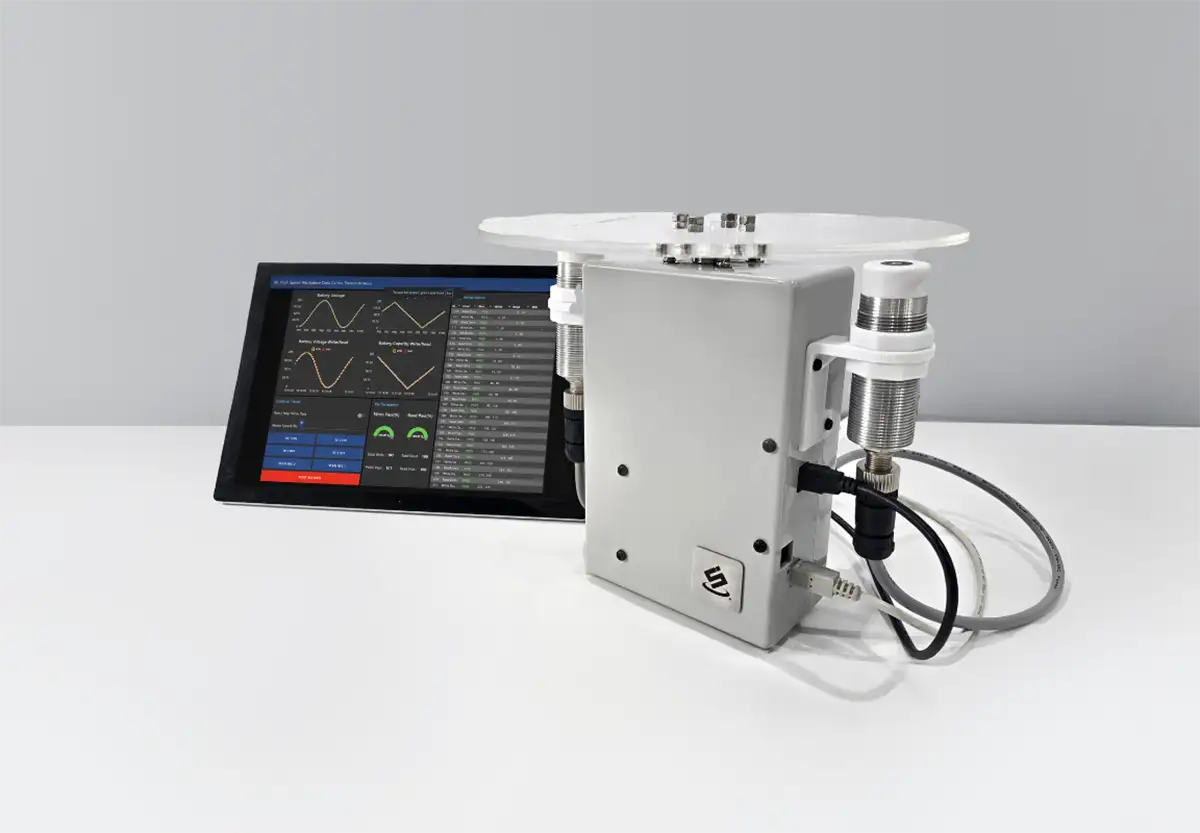
Fig.3 High-Speed Rotary Workpiece Carrier Identification Demonstration Unit Using Silicon Craft’s RE31 HF RFID Reader Chip and SIC56NL HF RFID Tag Chip
Silicon Craft’s RE31 and SIC56NL
in a Hi-Speed Workpiece Carrier Identification Demonstration Unit
Silicon Craft’s Hi-Speed Workpiece Carrier Identification Demonstration Unit showcases the high-performance capabilities of the RE31 HF RFID Reader chip and SIC56NL HF RFID Tag chip in demanding industrial automation environments.
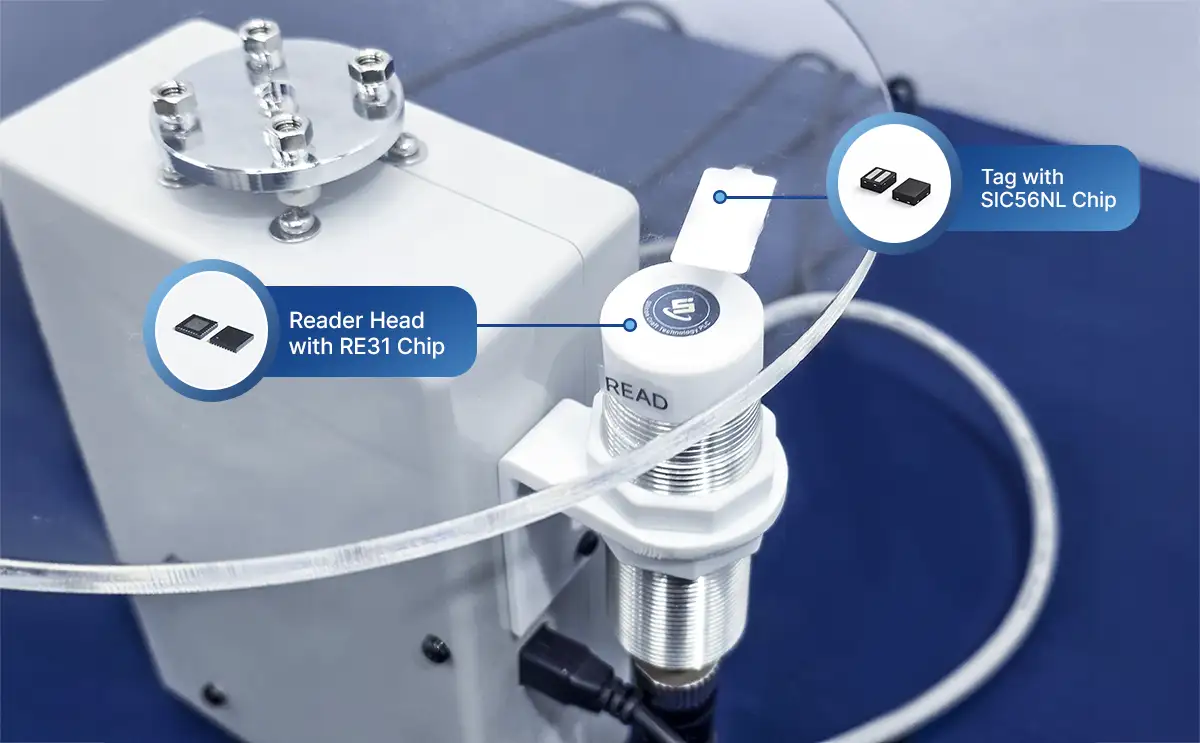
Fig.4 The RFID reader performs read/write operations while the tag passes by the reader.
Unlike conventional static RFID demonstrations, this setup is designed around a high-speed rotating motor with the SIC56NL tag chip mounted directly onto the rotating structure. The purpose of this demonstration is to validate reliable HF RFID communication under continuous high-speed motion conditions.
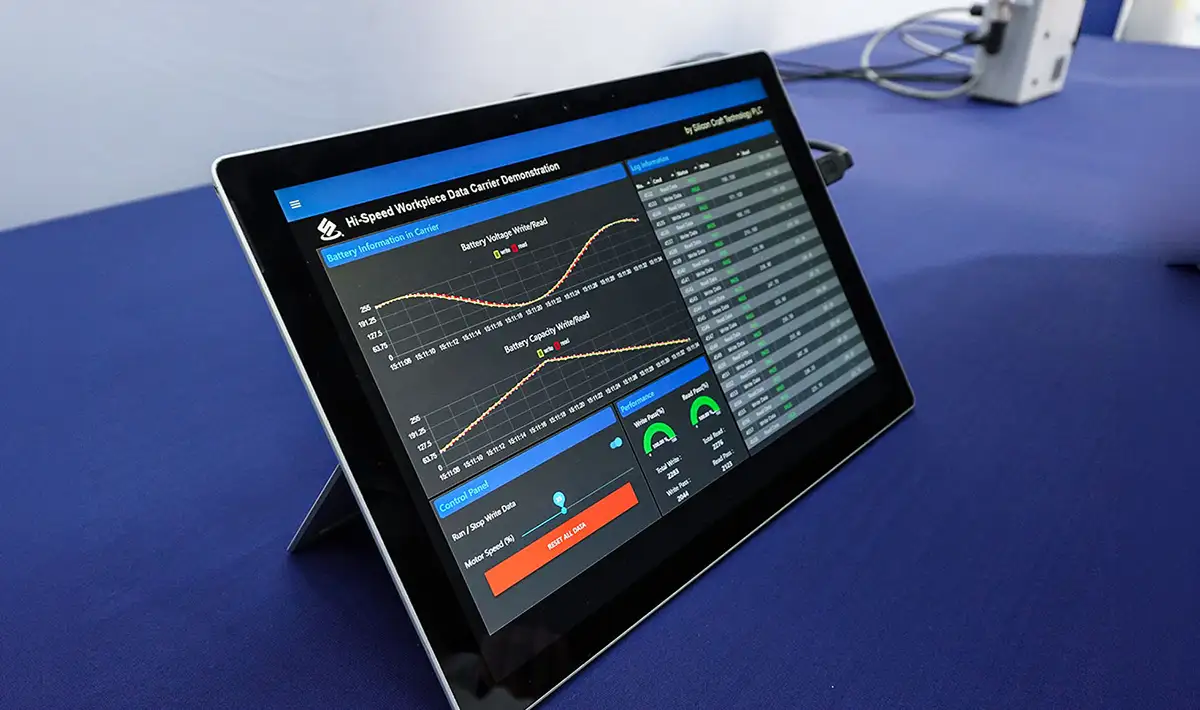
Fig.5 The dashboard displays real-time read/write communication data between the RFID reader and tag.
The demonstration highlights how the RE31 reader chip can successfully perform both read and write operations while the SIC56NL tag chip is rotating at high speed. This capability is critical for modern manufacturing systems where work piece carriers, rotating fixtures, or moving mechanical assemblies require real-time data exchange without interrupting production flow.
Conclusion
Silicon Craft’s RE31 HF RFID Reader chip and SIC56NL HF RFID Tag chip demonstration unit showcases the real-world benefits of integrating HF RFID technology into modern EV manufacturing and automation systems. By mounting the SIC56NL tag chip directly onto a high-speed rotating structure, the demonstration validates that reliable read and write communication is achievable even under continuous high-speed motion, closely reflecting the demands of real production line conditions. This translates directly into improved traceability, fewer errors, and stronger production efficiency across the manufacturing floor.
As EV manufacturing and smart factory applications continue to grow, the need for identification technology that can keep pace with high-speed automation will only increase. Silicon Craft’s RE31 and SIC56NL HF RFID chips provide a reliable, proven, and flexible platform ready to support the next generation of industrial automation systems.
References
[1] Global EV Outlook 2026 Growing sales amid an energy crisis. (2026). IEA. https://www.iea.org/reports/global-ev-outlook-2026
[2] Electric Vehicle Market Size, Share & Analysis. (2025, October). MarketsandMarkets.
https://www.marketsandmarkets.com/Market-Reports/electric-vehicle-…
[3] Electric Vehicle Battery Market Size, Share & Industry Analysis. (2026, May 11). Fortune Business Insights.
https://www.fortunebusinessinsights.com/industry-reports/electric-vehicle-battery…