



Articles
What is ASIC?
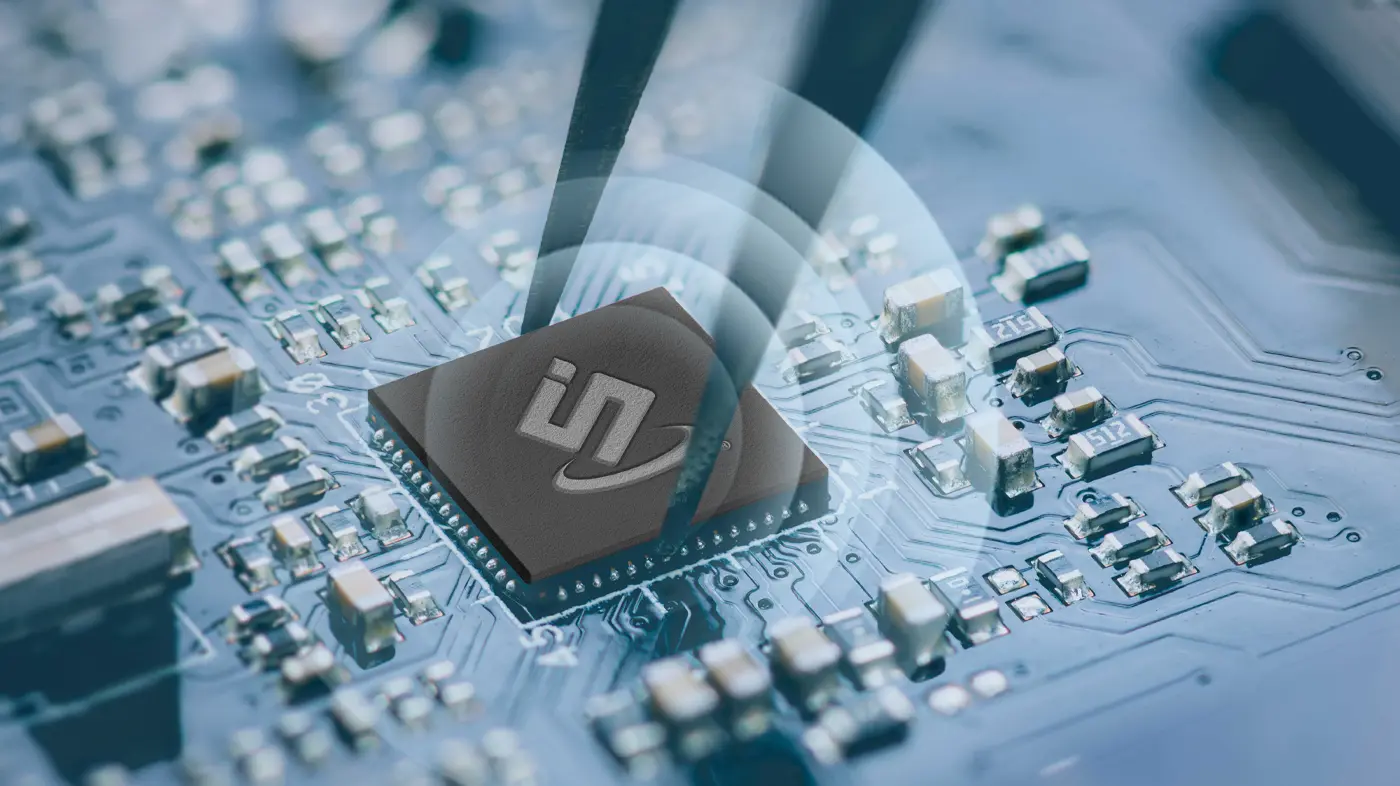
Understanding ASIC (Application‑Specific Integrated Circuit)
When people hear the term ASIC, short for Application‑Specific Integrated Circuit, many assume it’s just another processor – a processing unit or the “brain” of a device that can perform a variety of tasks based on programmed instruction. ASIC is fundamentally different: it’s a custom chip built for one purpose only. No extra logic. No wasted power. Just precision‑tuned performance for a specific task.
Without ASICs, we rely on general-purpose processors like CPUs (Central Processing Units) and GPUs (Graphics Processing Units), or FPGAs(chips that can be reprogrammed after manufacturing). Flexible has a cost.
When scale, efficiency, and performance truly matter, customization doesn’t just win, it dominates. ASICs turn targeted workloads into dedicated chips that’s smaller, faster, and more power‑efficient than any general‑purpose alternative.
In simple terms, ASIC design means taking a specific problem and building it directly into a custom chip. Engineering at its most focused, where every part of the chip is built for a single purpose. The future of computing isn’t general-purpose. It’s purpose-built.
ASICs represent the pinnacle of efficiency—where performance, power, and precision are engineered into silicon for one purpose, and executed better than anything else. Explore purpose-built ASIC solutions for RFID and NFC applications: Discover Silicon Craft ASIC Solutions