



Articles
NFC Explained: From Tag to Smartphone | How NFC Works
What is NFC?
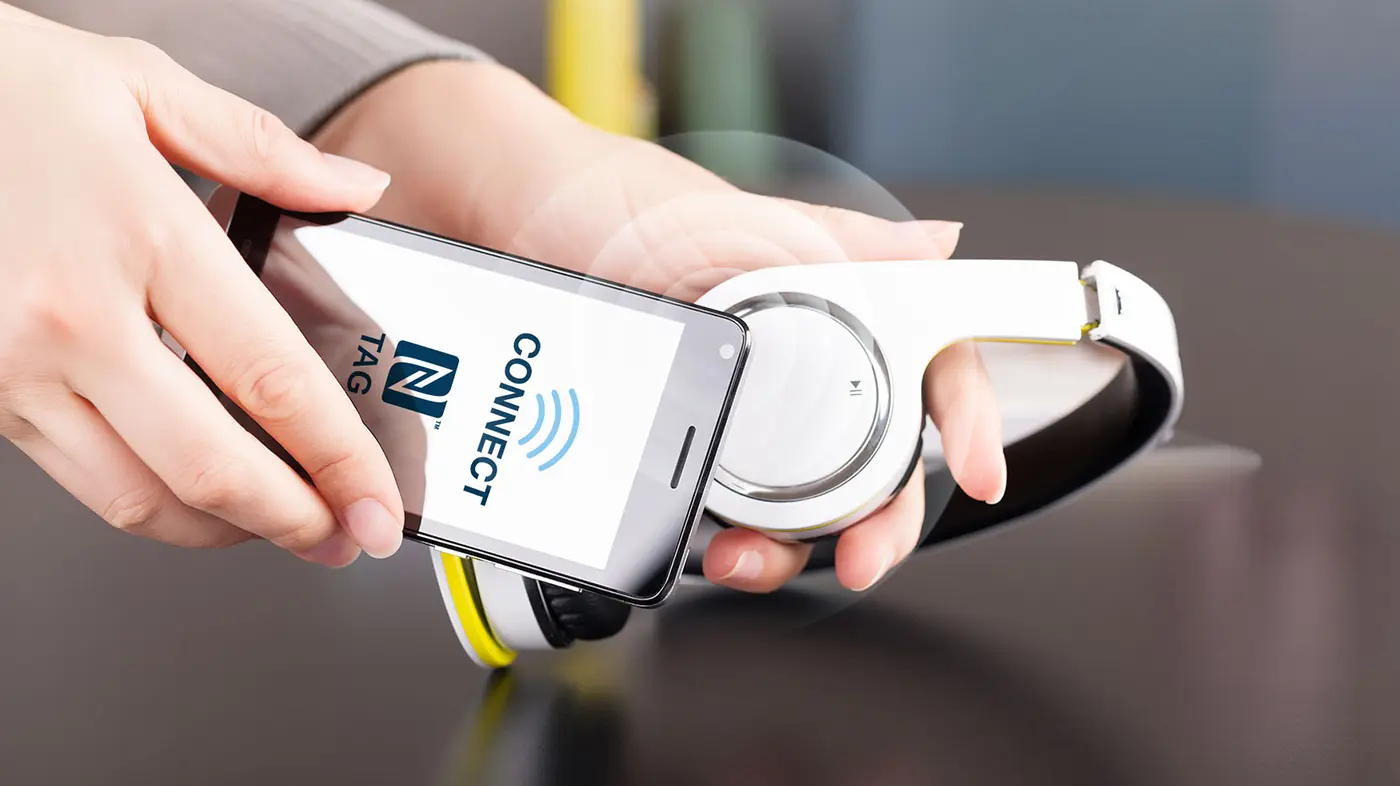
NFC (Near Field Communication) is a short-range wireless technology that lets two devices communicate when held close together, usually within a few centimeters. The most common setup is a smartphone acting as a reader for a small, battery-less NFC tag embedded in a product.
How NFC Tags Work (Tag Side)
An NFC tag is a tiny chip with three main roles:
- Stores data (product info, a unique ID, an authentication code, or sensor readings).
- Runs without a battery, drawing power from the smartphone’s electromagnetic field when tapped.
- Responds instantly, sending its stored data to the phone.
Tags range in capability from basic data storage (unique ID or data) to advanced features(tamper detection, encryption) depending on the chip design.
How Smartphones Work (Reader Side)
When you tap your phone on a tag, the phone emits a small electromagnetic field, which powers the tag and prompts it to respond. The phone then interprets that data and takes an action, such as opening a link, verifying a product authenticity, or configuring a smart device (headphone, washer machine etc.)
Why NFC Matters for Businesses
NFC combines something people already carry (a smartphone) with technology that is secure, instant, and requires no power source on the tag side. That makes it practical across a wide range of uses. Retail and packaging, verify product authenticity and deliver extra content. Smart device setup, configure devices by tapping instead of navigating menus.
And it comes with built-in practical advantages:
No battery needed. NFC tags are powered by the smartphone’s electromagnetic field. It’s works no charging, maintenance, and risk of the tag going dead in the field. Smartphone-compatible, no dedicated scanner or app download is required, any modern smartphone can read an NFC tag instantly
NFC transforms everyday interactions into seamless, secure, and instant digital experiences. Bridging the physical and digital world with just a tap. Explore high-performance NFC chip technology: Discover NFC Tag IC