


Articles
Tracking Sediment Transport with LF RFID Microchips
Challenges of Traditional Sediment Tracking Methods
Rivers and coastlines are constantly shifting, carrying sand, gravel, and pebbles from one place to another. When this movement goes unmonitored, the consequences can be serious: eroded riverbanks, coastal erosion, and disappearing beaches. Understanding where and how quickly sediment moves remains one of the more difficult challenges in environmental science.
Traditional methods relied on physical sampling and field observations, which were time-consuming, difficult to scale, and often unreliable in harsh or remote conditions. Low-Frequency Radio Frequency Identification (LF RFID) microchips offer a smarter alternative, performing well in the wet and demanding environments where tracking sediment transport is needed most.
Benefits of LF RFID for Sediment Tracking
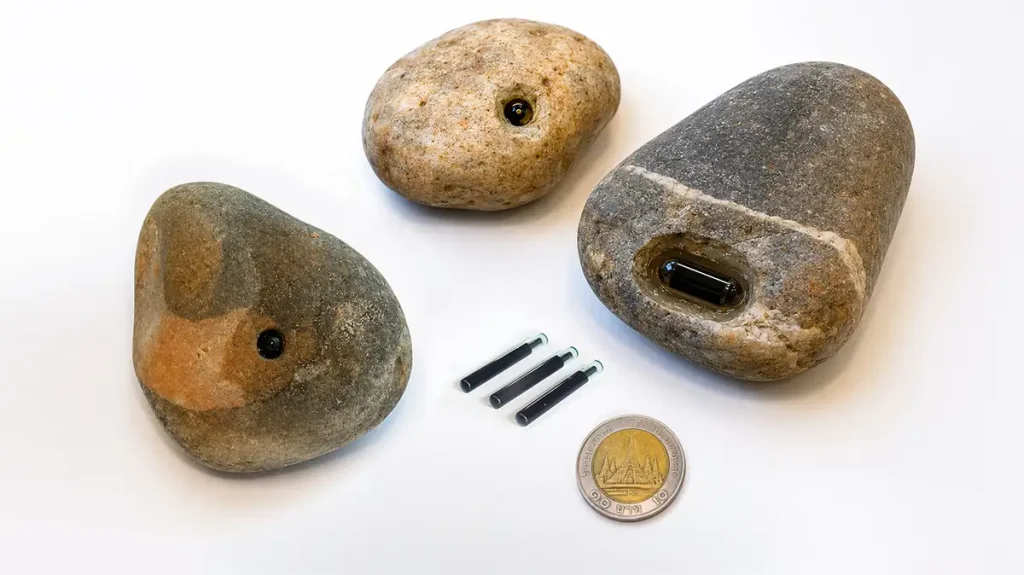
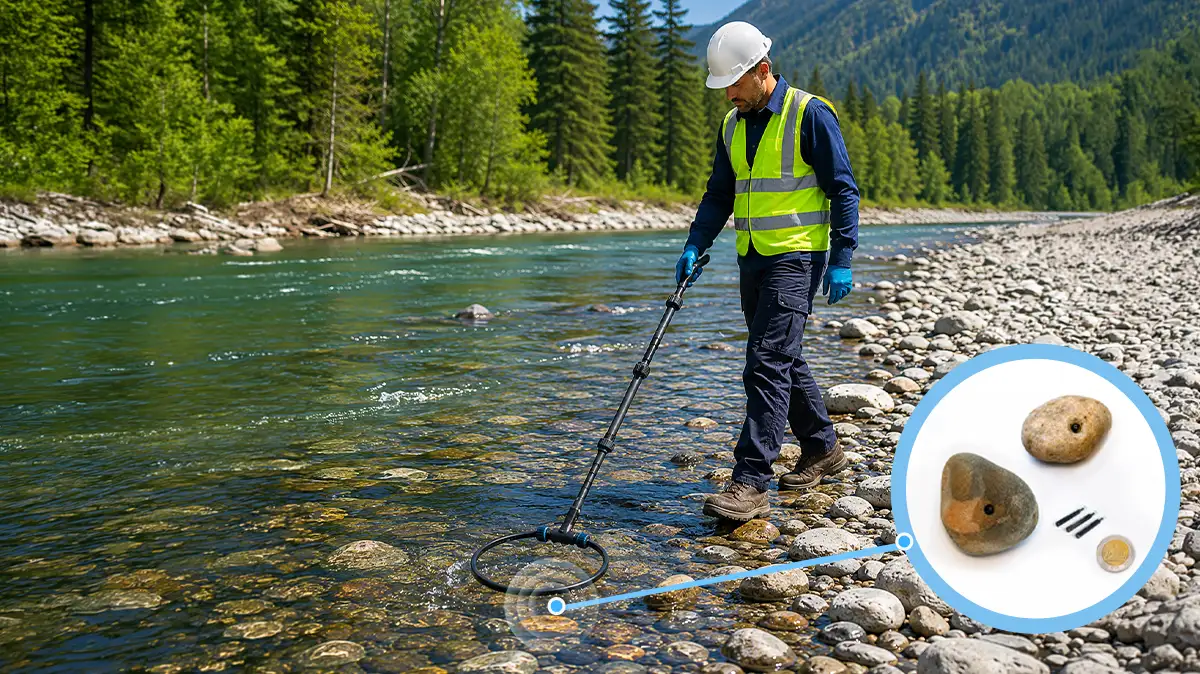
Researchers embed small RFID tags into sediment tracers and seal them with waterproof resin. They release the tracers into a river or along a coastline, where the current carries them naturally, where they travel naturally with the current. Researchers then scan the area using handheld antennas, which detect and record each tag’s unique ID during field surveys. Because the tags are completely passive, with no battery required, they can remain in the field for years without maintenance. In fact, this approach to understanding sediment movement provides a new level of insight into natural transport processes.
Over time, this data reveals sediment pathways, drift patterns, and transport rates, giving researchers and engineers the evidence needed to protect infrastructure and manage coastal and river environments more effectively. Ultimately, advances in sediment transport monitoring benefit environmental planning and restoration efforts.