



Articles
Innovative pH Measurement: Portable, Battery-Free Testing with Smart Digital Recording
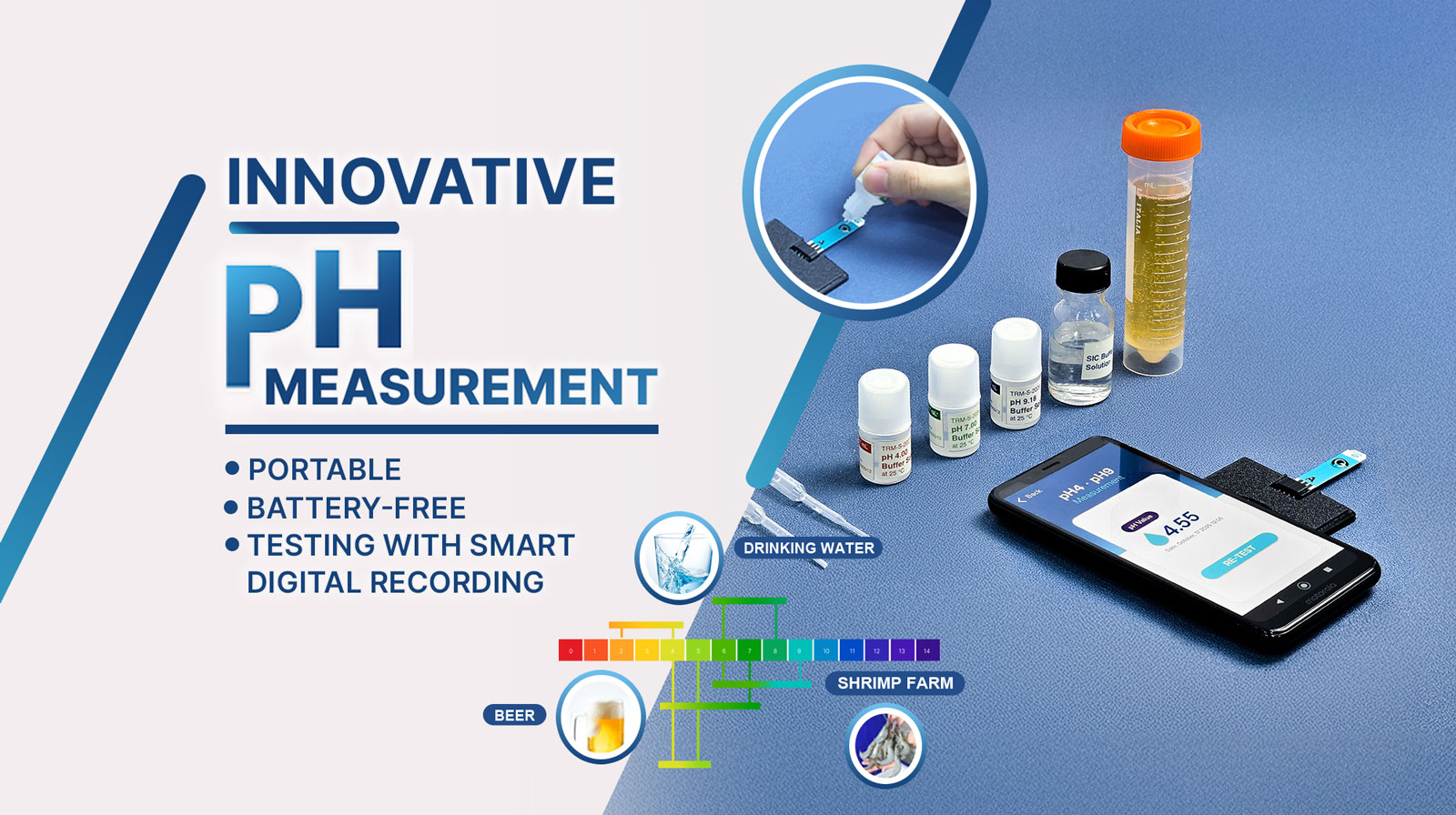
Across countless sectors, pH measurement is one of the most fundamental indicators of quality and stability. From food and beverage production to municipal water systems and aquaculture, controlling pH influences taste, microbial growth, chemical balance, and the health of living organisms [1].
Even small shifts in pH can alter flavor profiles, disrupt biological activity, accelerate corrosion in equipment, or compromise safety [1]. As modern industries demand higher precision and reliability, accurate pH monitoring has become essential not only for ensuring product quality and operational efficiency but also for protecting equipment and safeguarding consumers.
Despite its importance, pH measurement is often limited by the tools used to collect data. Traditional pH meters can be bulky, fragile, or expensive, making them impractical for field technicians, farmers, small breweries, or rural water systems and anyone who needs fast, portable, and cost-effective data.
This is where modern sensing technology becomes essential. To overcome the limitations of traditional pH tools, this article examines how different commercial pH measurement methods compare, where their pain points lie, and why industries increasingly need more compact, accurate, and accessible solutions. It also introduces how Silicon Craft’s SIC4343 sensor interface microchip enables smartphone-powered, battery-free pH monitoring—offering a new way to achieve reliable measurements
Limitations of Commercial pH Measuring Equipment
Measuring pH is essential in laboratories, industry, agriculture, food processing and aquafarming. While pH meters are everywhere, not all tools provide the same accuracy, convenience, or reliability. pH can be measured using several common tools. Each has benefits—but also limitations that users often struggle with.
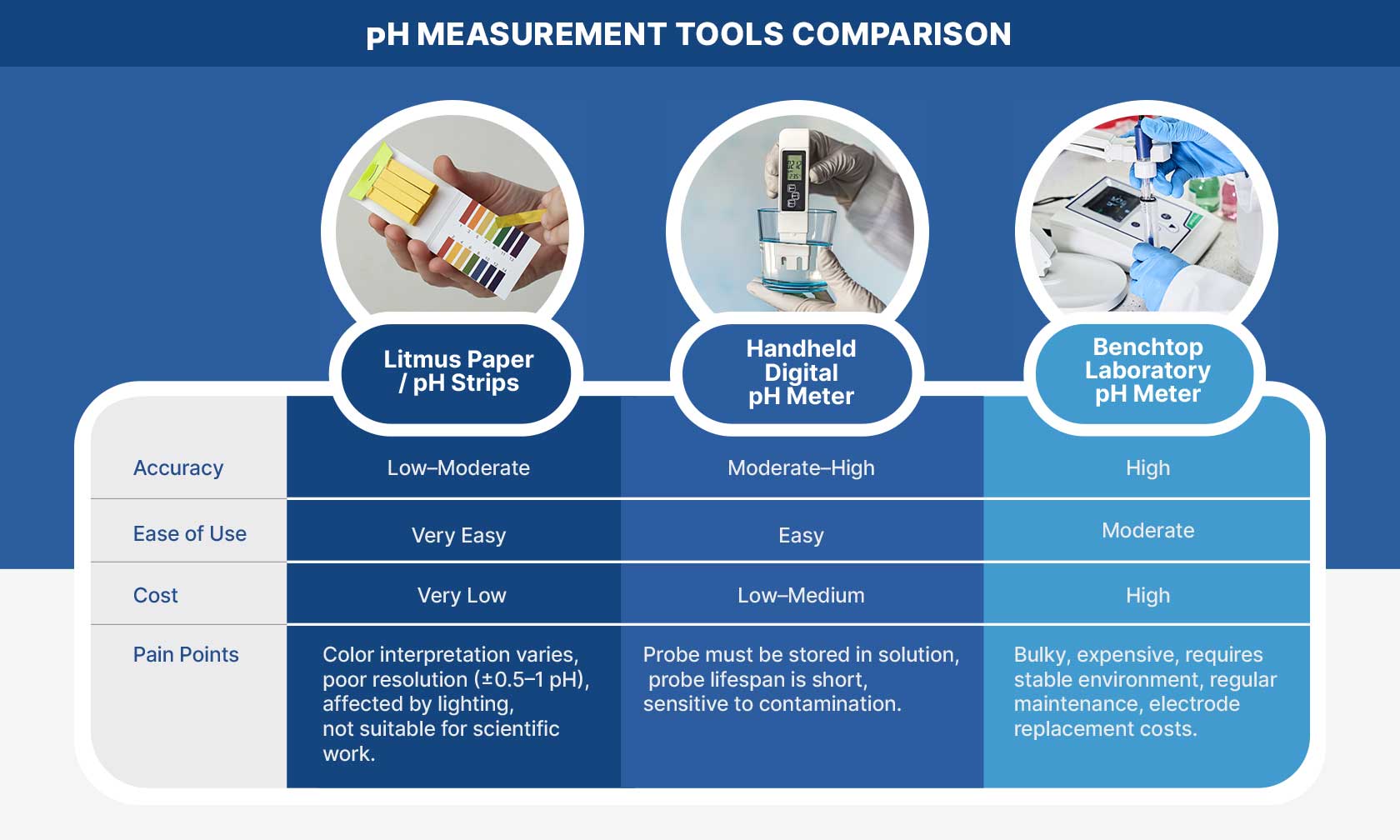
Fig. 1: Comparison between common pH measurement tools
In recent years, smart sensing technology has evolved beyond traditional batteries and wired power. One of the most exciting advancements is the use of Near Field Communication (NFC) to wirelessly power compact sensor chips. This innovation eliminates the need for external power sources, more sensor lighter, more portable, and more convenient for real-world use.
The SIC4343 sensor interface microchip can be integrated with the pH sensor by measuring the voltage difference between the sensing electrode and the reference electrode. pH sensors rely on sensing the concentration of hydrogen ions (H⁺) in a solution.
The pH-sensitive material on the working electrode develops a voltage potential depending on the H⁺concentration in the sample. This voltage is converted into a pH value using the Nernst equation. The pH sensor using the SIC4343 sensor interface microchip communicates with a smartphone which is applicable for on-site testing. The pH measurements can now be done through a simple smartphone tap. The SIC4343 sensor interface microchip is activated by harvesting energy from smartphones for running pH measurements.
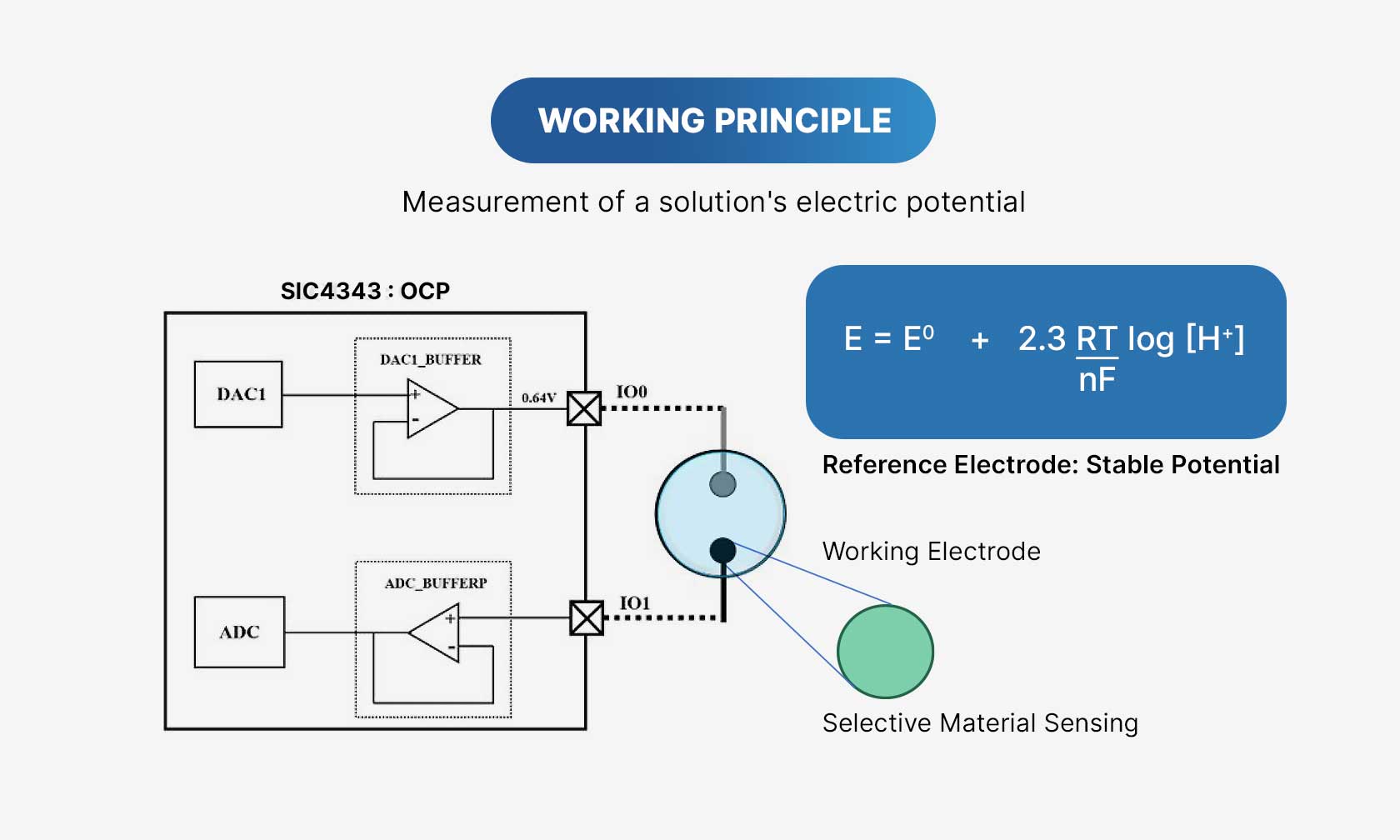
Fig. 2: Working principle diagram
Silicon Craft pH Sensor Integrated with The SIC4343 Sensor Interface Microchip
Key Advantages
-
Digitalization
Digital data makes processes easier, faster, and more efficient. Moreover, the data can be uploaded to a cloud system to ensure convenient storage, real-time access, and effortless management.
-
Cost-Effective Design
With the SIC4343 sensor interface single chip solution, the device becomes far more affordable while maintaining high performance and reliability.
-
Dry Storage Capability
Designed for convenience, Silicon Craft’s pH sensor can keep its performance stable without the need for storage solutions. In addition, a pH sensor does not require activation time in solution before using it.
-
Measurement Unaffected by Sample Color
Silicon Craft pH sensor uses an electrical voltage measurement that directly converts the signal into H⁺concentration and reports it as a pH value without color interference.
-
Small Sample Requirement
Silicon Craft pH sensor has a small sensing area, resulting in a required sample volume of only 50 µL, making it ideal for limited-volume applications.
-
Data Logging
Silicon Craft pH sensor mobile application enables automatic recording of measurement results and ensuring complete traceability to support monitoring, analysis, and long-term evaluation.
-
Battery-Free Operation
The Battery-free Silicon Craft pH sensor kit is presented for wireless pH measurement. The pH sensor kit can be powered by harvesting energy from smartphones for running pH measurements through the SIC4343 pH mobile application. Powered entirely by energy harvested from smartphones, the pH sensor kit runs effortlessly through our mobile application for a convenient and portable testing experience.
Materials and Equipment List of Silicon Craft pH Sensor Kit
- Android/IOS application named “SIC4343 pH” for the operation and display of pH results
- Silicon Craft pH board for pH measurement
- Silicon Craft pH sensor type A/B for pH sensing item
- Standard pH solution for pH sensor calibration before use:
- pH 4.0
- pH 7.0
- pH 9.18
- pH 11.0
- Silicon Craft buffer solution for interference protection
- Dropper for sampling a real sample on pH sensor area
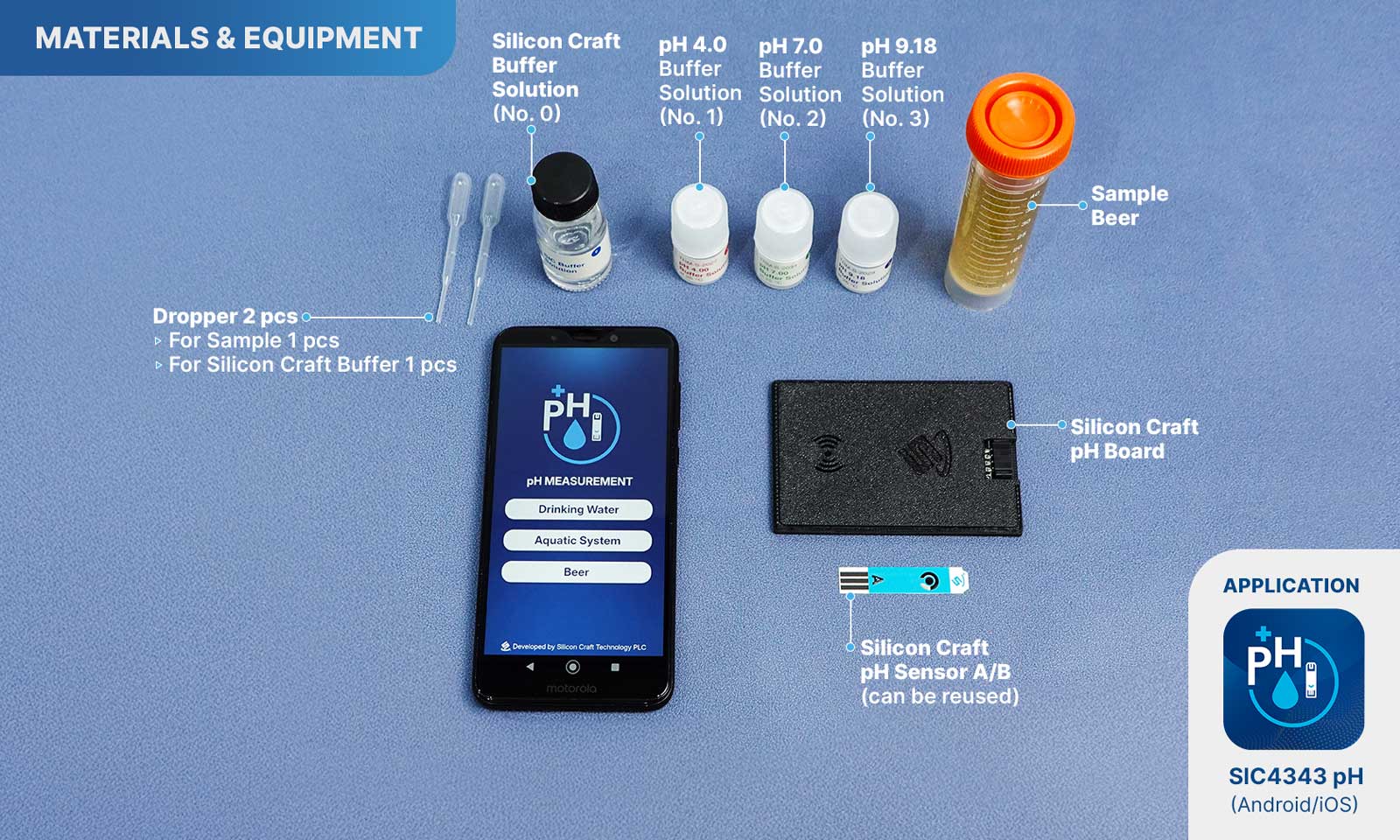
Fig. 3: Materials & equipment of Silicon Craft pH sensor kit
Materials Specifications of Silicon Craft pH Sensor Type A and B
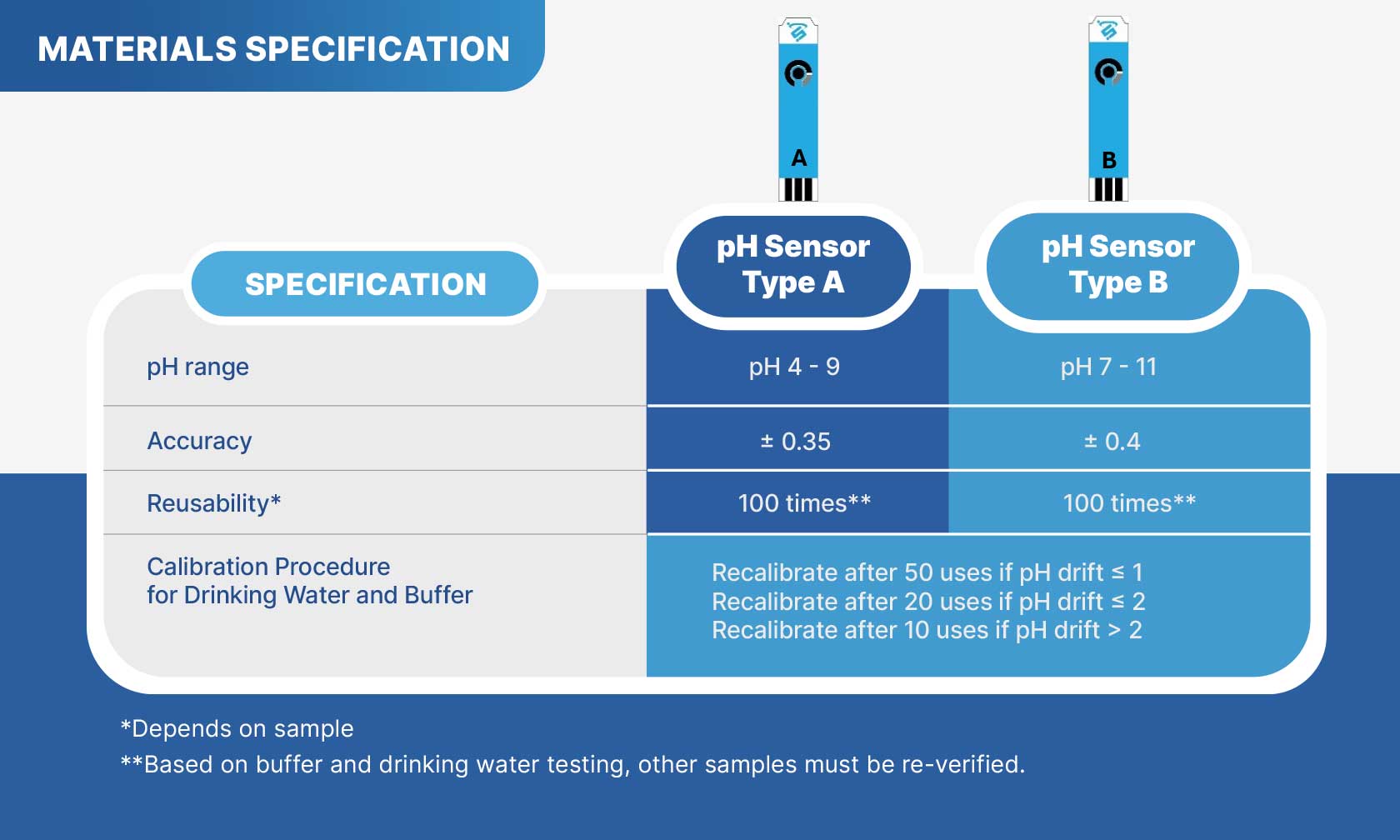
Fig. 4: Silicon Craft pH sensor type A and B specification table
pH Measurement in Practical Applications
Testing pH is essential across drinking water, beer brewing, and shrimp farming because each relies on stable chemistry for safety, quality, and biological health. In drinking water, pH and mineral content vary widely between brands, and research notes that sanitized tap water may have an unnaturally low pH—one reason alkaline water products appeal to consumers seeking perceived health benefits [2].
In beer production, pH controls enzymatic activity, fermentation behavior, and flavor development, meaning small shifts can alter taste, stability, and product consistency [3]. In shrimp aquaculture, pH directly affects pond conditions and can increase un-ionized ammonia toxicity, a major cause of stress and mortality in shrimp [4]. Across these applications, accurate pH monitoring is crucial for protecting consumer health, ensuring product quality, and maintaining aquatic organism survival.
Silicon Craft pH sensor integrated SIC4343 sensor interface microchip is tested in drinking water, beer, and shrimp pond water. pH test results from pH meter benchtops in the laboratory present the different pH values between 3 models up to 0.8 pH. This variation is caused by certain types of pH glass probes that are not suitable for universal applications, especially for drinking water, due to low ion samples.
However, pH test results from the Silicon Craft pH sensor integrated SIC4343 sensor interface microchip fall within the variation range of glass-probe pH meters. Silicon Craft pH sensor can be applied in real-world applications, including drinking water, beer, and shrimp pond water, with an accuracy of ± 0.35 pH. Meanwhile, the color output from the pH color test kit is difficult to interpret, making the pH value of the samples challenging to identify as a result of low accuracy.
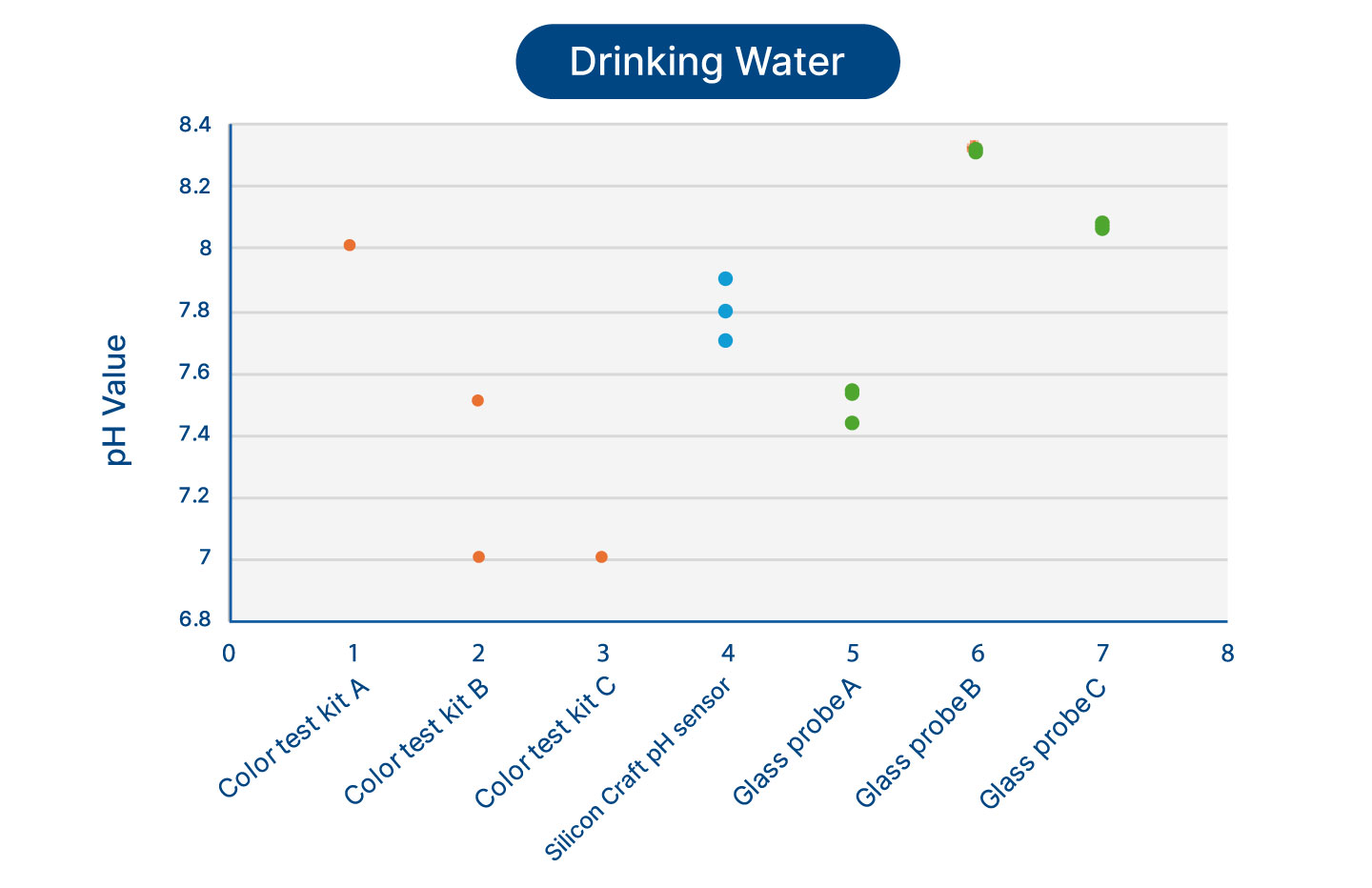
Fig. 5: Test results of drinking water
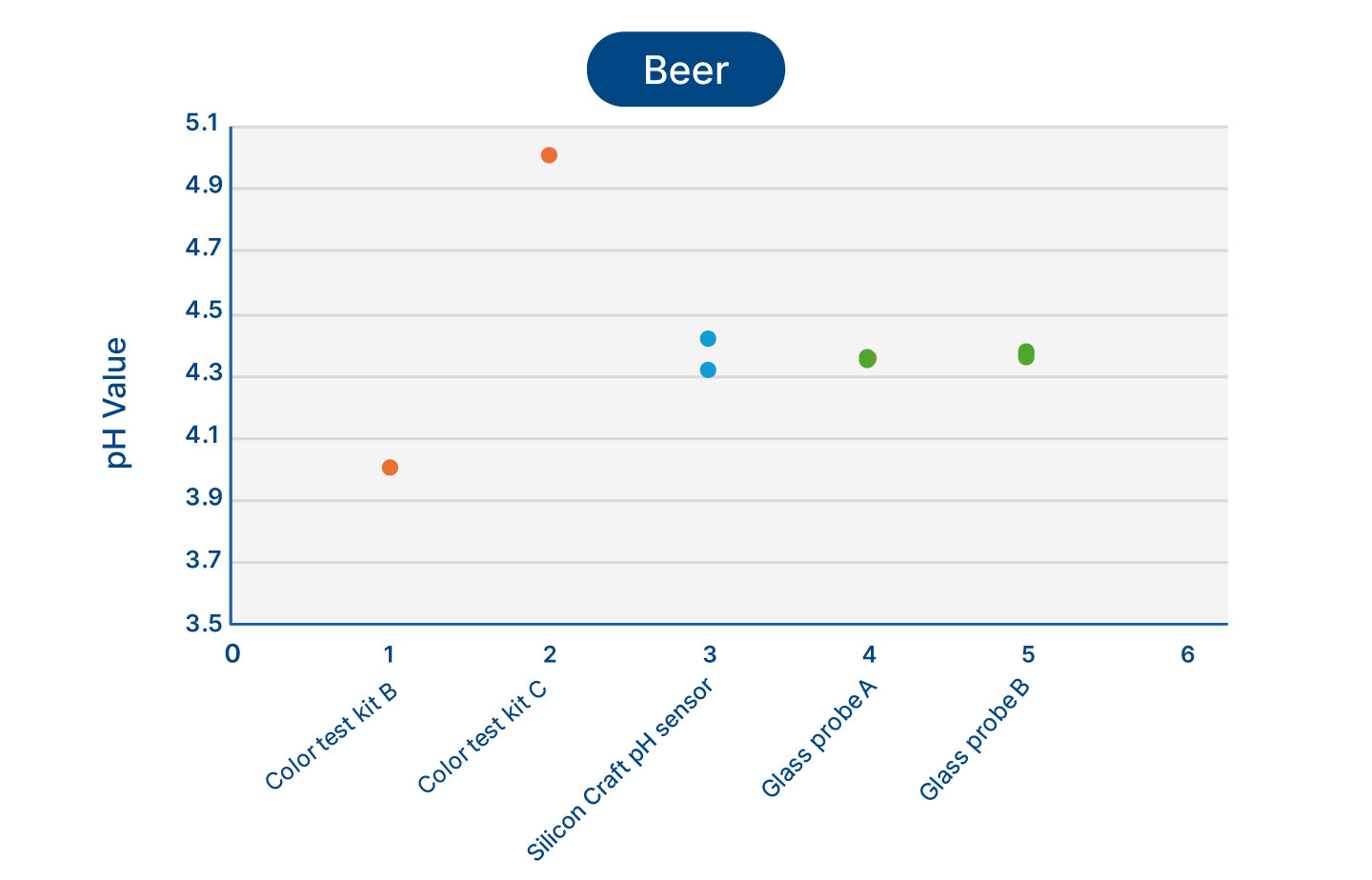
Fig. 6: Test results of beer
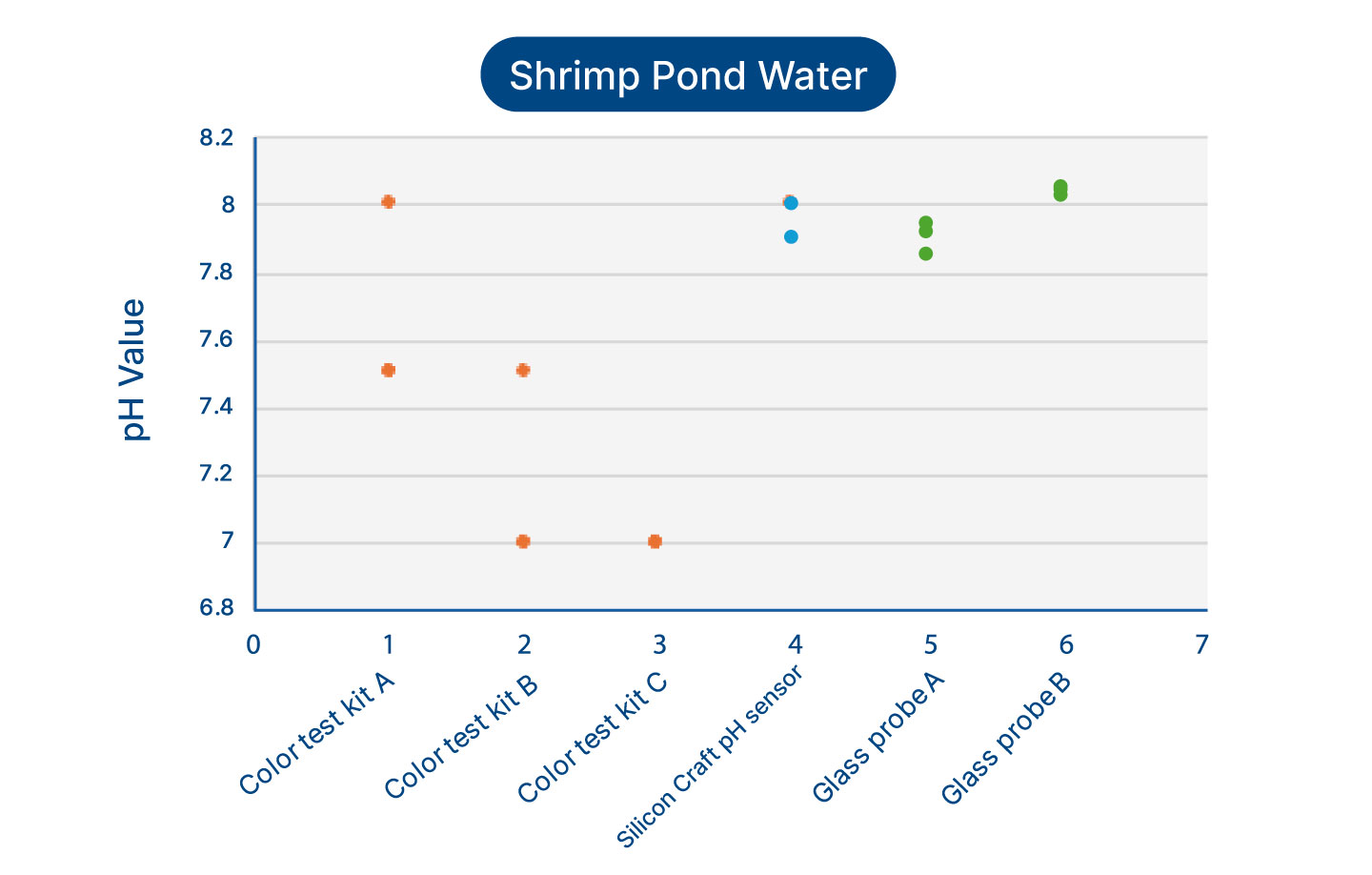
Fig. 7: Test results of shrimp pond water
Demonstration Video of Silicon Craft pH Sensor Kit Measurement
Conclusion
Traditional pH measurement methods like litmus paper and glass-electrode meters have served as scientific standards for decades—but they come with limitations such as fragility, storage requirements, and color Interpretation challenges. An NFC-enabled pH sensor as Silicon Craft pH sensor integrated SIC4343 sensor interface microchip is a new alternative and battery-free solution for measuring acidity and basicity using the technology found in smartphones. Instead of relying on bulky meters or fragile glass electrodes, this system uses a compact sensor chip that is powered wirelessly when a smartphone is placed near it. NFC-powered pH sensors combine precision, portability, and zero-power operation, making lab-grade measurement more accessible than ever—whether in the field, at home, or in low-resource environments.
References
[1] Tiwari, R., & Mahalpure, G. (2025). A Detailed Review of pH and its Applications. Journal of Pharmaceutical and Biopharmaceutical Research, 6(2), 492–505. https://doi.org/10.25082/JPBR.2024.02.001
[2] García-Gómez, R., Prieto, I., Amor, S., Patel, G., Fuente, M. de la, Granado, M., & Monsalve, M. (2021). Evaluation of the potential benefits of alkaline drinking water on tumor development reveals vascular protective effects. Archives of Medical Science – Civilization Diseases, 6(1), 84–102. https://doi.org/10.5114/amscd.2021.109241
[3] Bamforth, C.W. (2001). pH in Brewing: An Overview. https://themodernbrewhouse.com/wp-content/uploads/2016/11/BAMFORTH-pH-in-brewing.pdf
[4] Straus, D. L., Randall Robinette, H., & Heinen, J. M. (1991). Toxicity of Un‐ionized Ammonia and High pH to Post‐larval and Juvenile Freshwater Shrimp Macrobrachium rosenbergii. Journal of the World Aquaculture Society, 22(2), 128–133. https://doi.org/10.1111/j.1749-7345.1991.tb00725.x