



Articles
Driving Digital Product Passport with NFC Tag
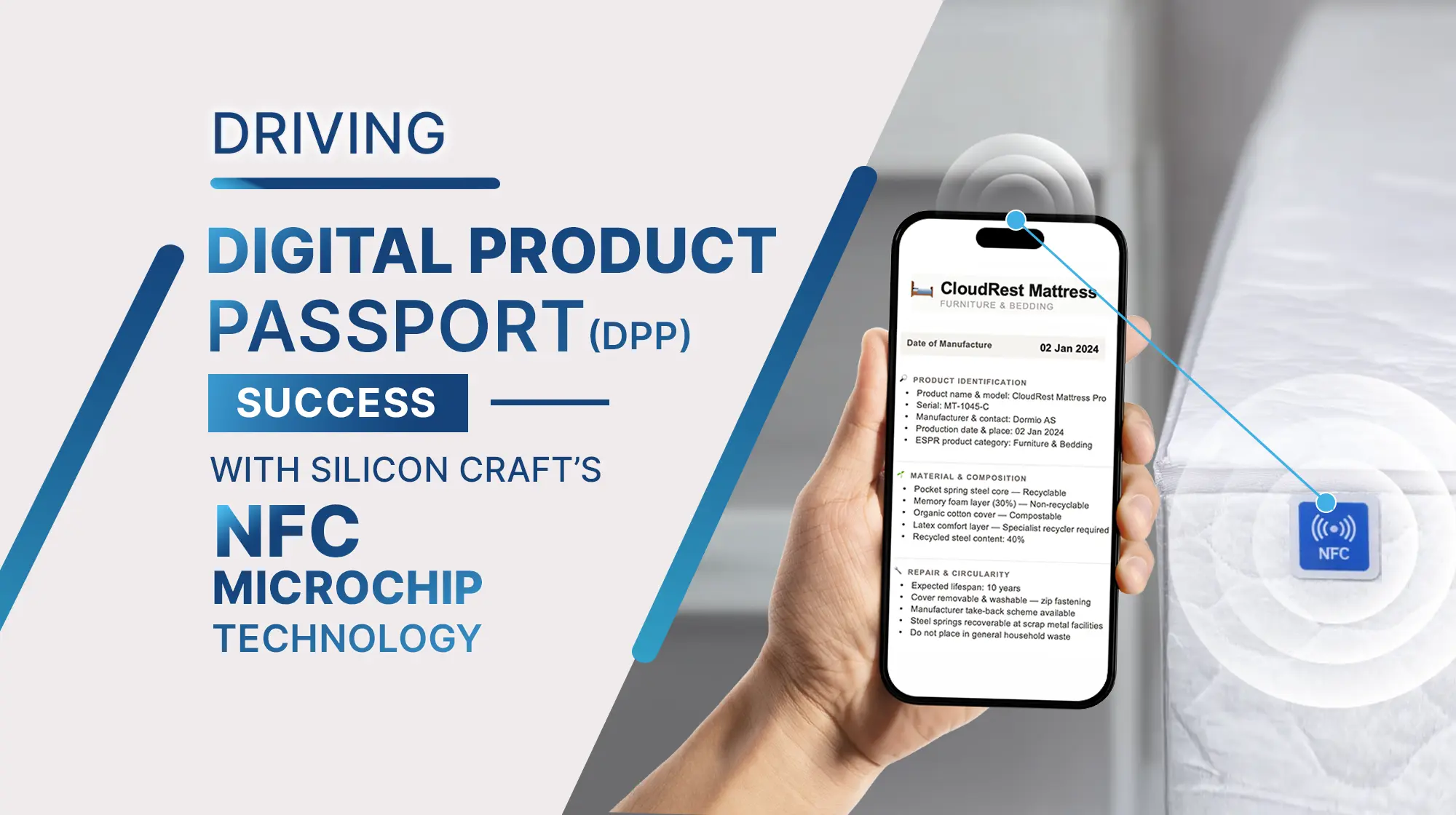
Nowadays, one of the major global challenges is the growing volume of waste. A significant share of products is discarded earlier than necessary because consumers, repair technicians, and recyclers lack access to essential information—such as product origin, component details, and maintenance or repair instructions.
This information gap makes repair difficult, limits opportunities for reuse, and reduces consumer confidence in the second-hand market. As a result, fewer products are recirculated through resale channels, and more end up prematurely in landfills—ultimately reducing the efficiency and quality of recycling processes.
To address these issues, the European Union introduced the Digital Product Passport (DPP) under the Ecodesign for Sustainable Products Regulation (ESPR), which took effect in July 2024. The DPP aims to provide standardized, machine‑readable information that improves transparency on product composition, environmental impact, repairability, recyclability, and component authenticity [1].
DPP requirements will be phased in across multiple product groups between 2026 and 2030, including high‑impact sectors such as textiles, furniture, tires, mattresses, and others [2]. The goal is to ensure consistent access to verified lifecycle data, strengthen circular‑economy practices, and improve compliance and sustainability across global supply chains.
Current Technology
To support the DPP requirements, technologies such as QR codes, UHF RFID, and NFC are adopted to provide reliable, scannable links between physical products and their digital passports. QR codes are currently the most widely used technology because they are extremely low‑cost, easy to print at scale, and universally scannable with any smartphone—making them the preferred choice for consumer‑facing DPP access.
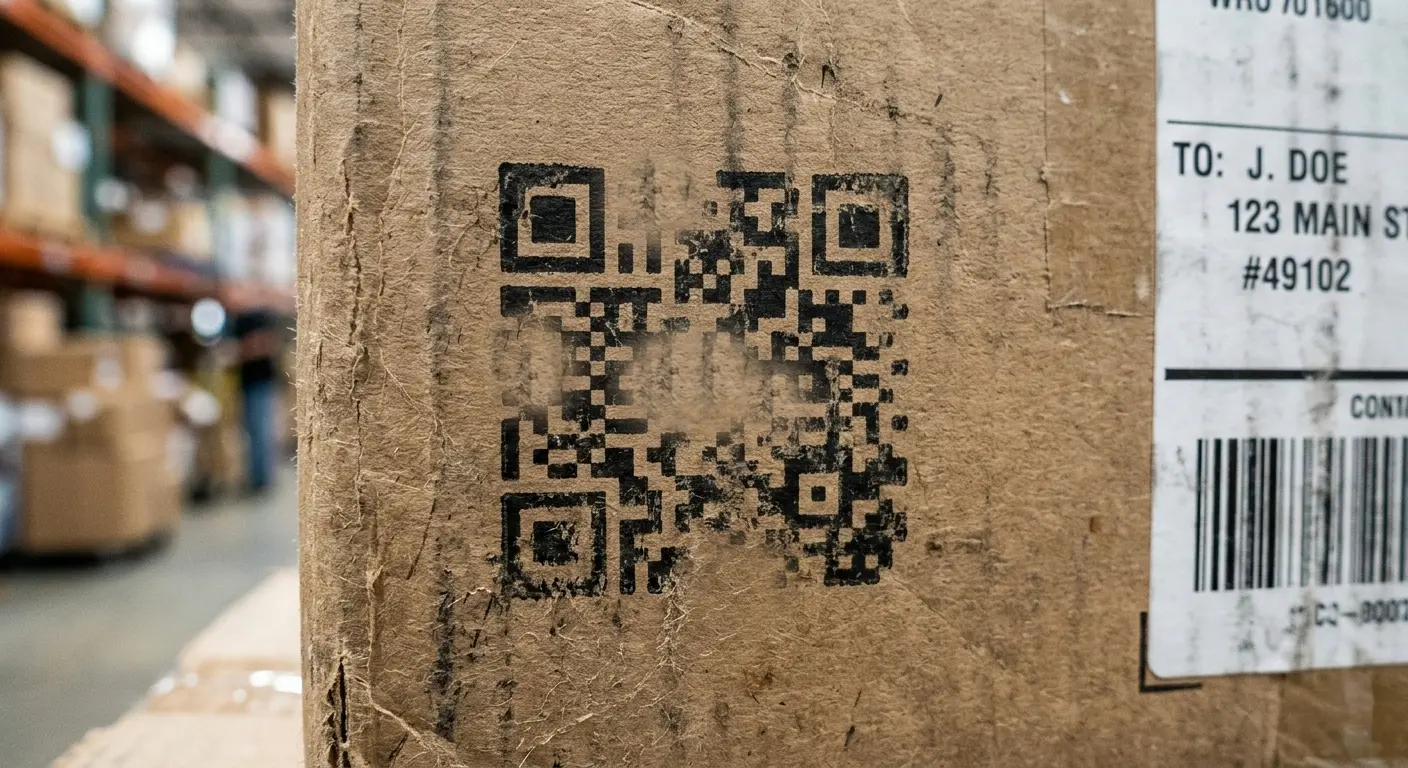
Fig. 1. A faded QR code that cannot be easily scanned
However, QR codes can be less durable over a product’s full lifecycle, especially for goods exposed to abrasion, moisture, heat, or long‑term handling. Because QR codes rely on optical scanning, damage to the printed pattern can make them unreadable, which may limit their reliability on long‑life or harsh‑environment products.
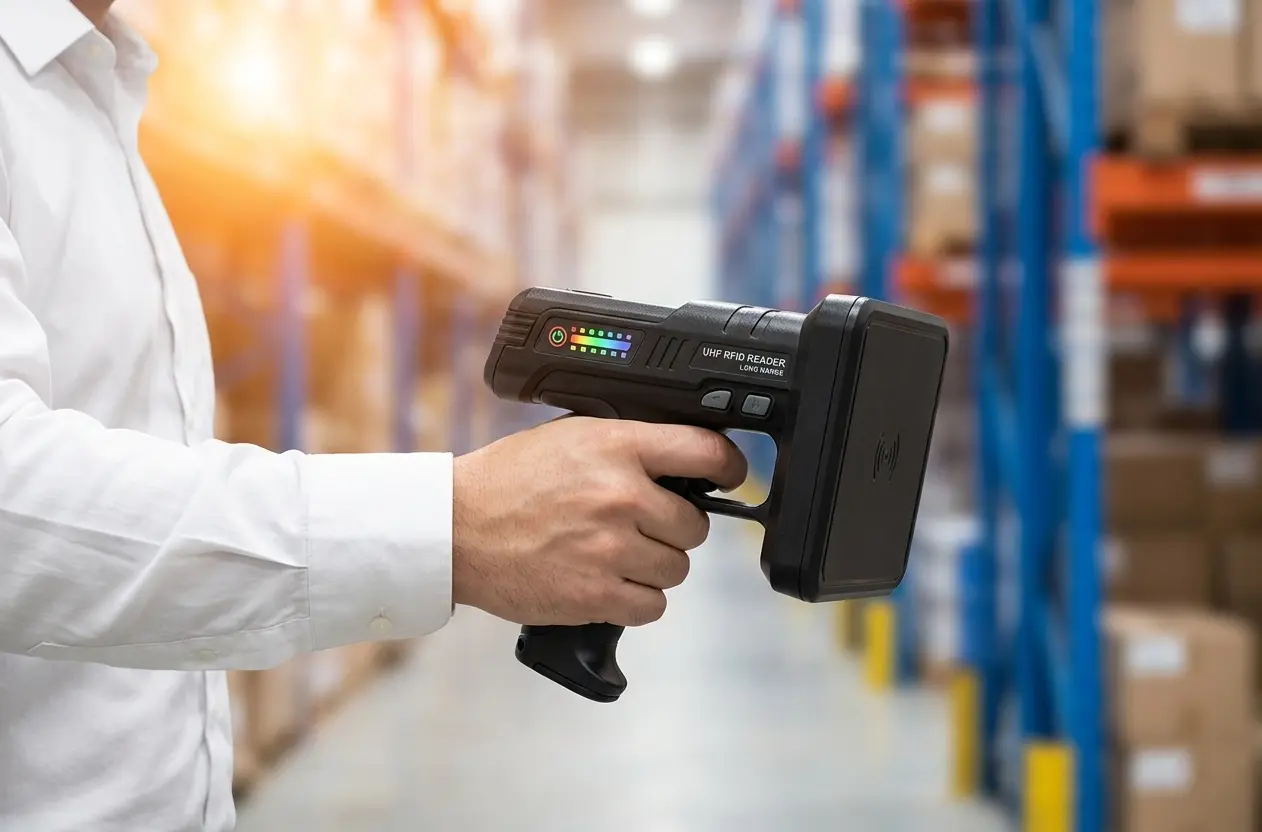
Fig. 2. UHF tag requires a dedicated reader
UHF RFID and NFC still play important roles, especially where better durability, automation, or security is required. UHF RFID supports long‑range, non‑line‑of‑sight, and bulk scanning, making it highly effective for supply‑chain traceability and warehouse automation, and it can integrate with backend systems to keep DPP data synchronized throughout the product journey. However, a key limitation of UHF RFID is that it generally requires specialized readers, meaning most general consumers cannot directly access DPP information using their smartphones, which makes UHF RFID less suitable for consumer‑facing transparency. NFC, meanwhile, provides secure, chip‑based authentication and convenient tap‑based access, making it ideal for high‑value goods, anti‑counterfeit applications, and sectors where trusted identity is essential. Industry groups are also actively standardizing NFC as a DPP‑compatible data carrier to meet emerging security and circular‑economy requirements.
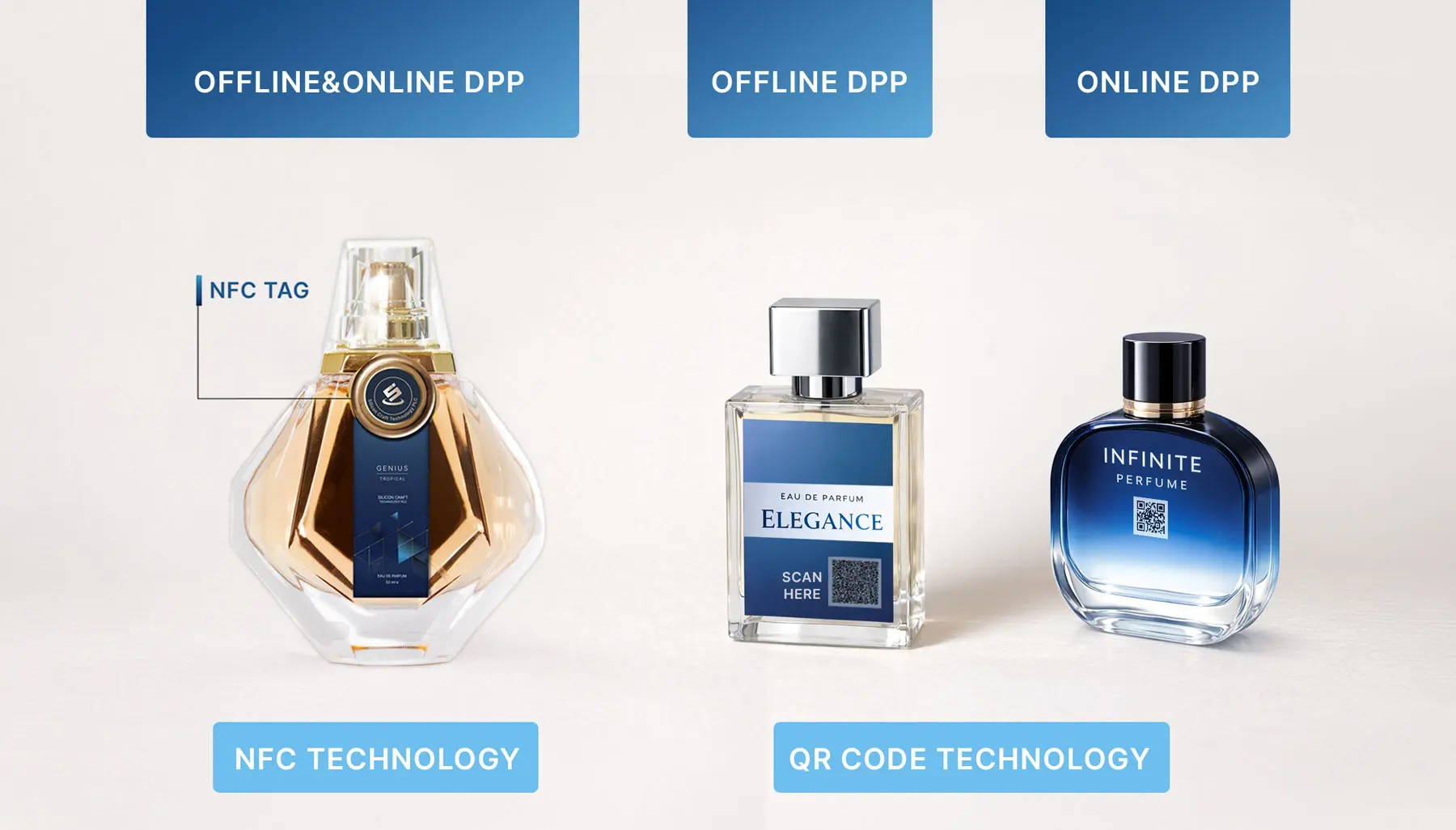
Fig. 3. Comparison of QR and NFC aesthetics for offline (large data) and online (small data) content
To ensure product information remains accessible to consumers throughout the entire lifecycle, offline data storage becomes an important design consideration. QR codes and NFC are the primary technologies that allow consumer access without the need for any specialized reader. However, encoding large amounts of offline data into a QR code can create a dense, visually prominent pattern that may detract from the product’s appearance. In contrast, NFC tags provide a more discreet and premium integration, enabling offline access while preserving the overall design and perceived quality of the product.
NFC Applications
The following are several market examples where NFC technology is used with Digital Product Passports (DPP).

Fig. 4. A luxury suit featuring an NFC tag embedded in the button
NFC provides a secure anti‑counterfeit solution by enabling verification of product provenance and authenticity. This strengthens brand protection and supports the resale market by offering trusted, tamper‑proof product information. In addition, NFC tags can be seamlessly embedded into products or packaging without affecting their design, ensuring the items maintain their original aesthetic. This integration not only preserves the product’s visual appeal but also enhances their luxury perception by adding smart functionality without compromising style or craftsmanship.
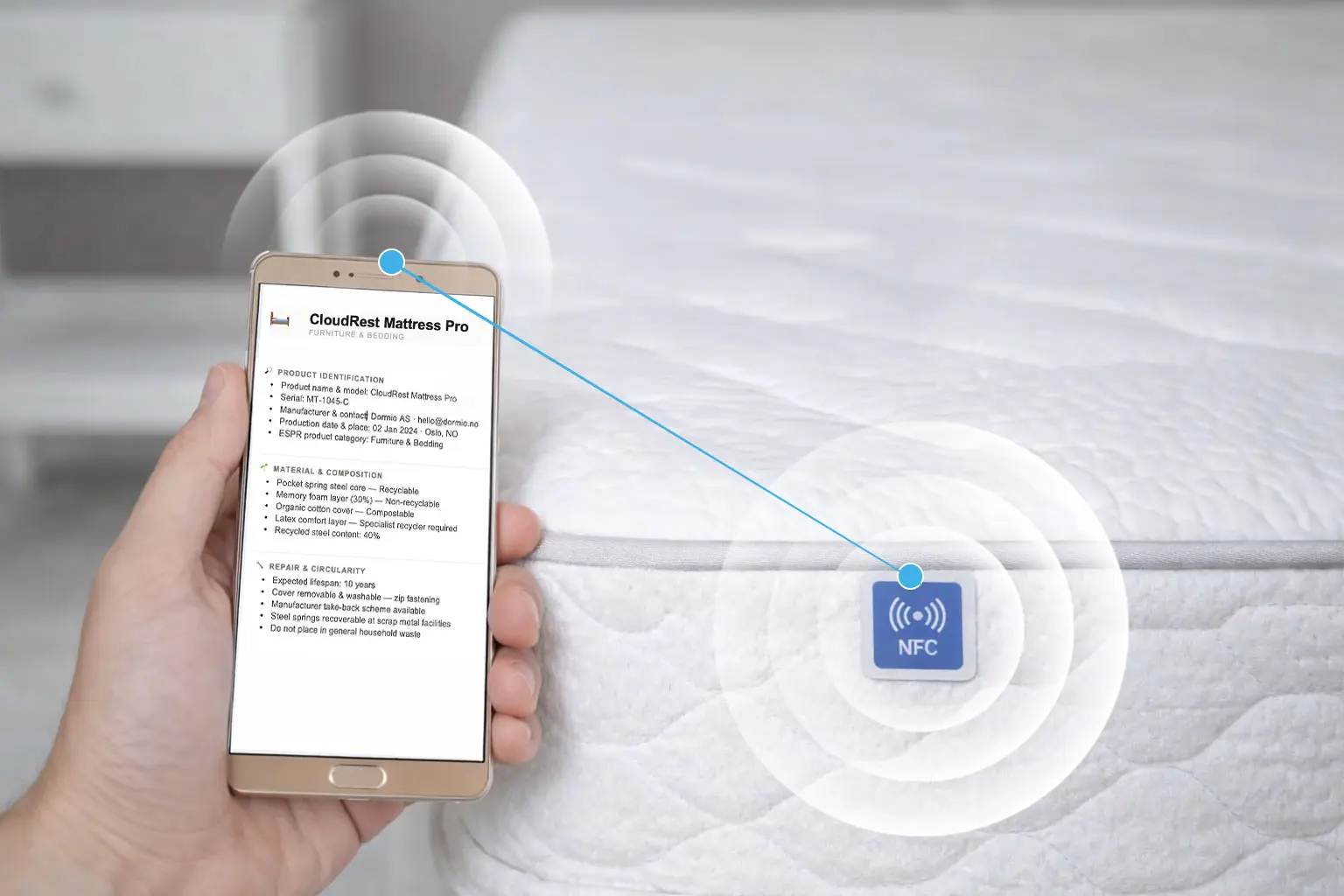
Fig. 5. A mattress showing DPP information
NFC tags offer a durable, secure, and smartphone‑friendly method for accessing DPP data. With a simple tap, users can retrieve material composition, care instructions, and recycling information. Built‑in security features also enhance anti‑counterfeit protection. NFC tags can also be embedded beneath fabric or foam layers, such as inside a mattress cover, while remaining fully readable through standard smartphones. This allows manufacturers to preserve design and ensure consumer convenience without exposing or altering the product’s exterior. Overall, this improves product traceability, supports circular‑economy initiatives, and ensures long‑term availability of accurate mattress information.
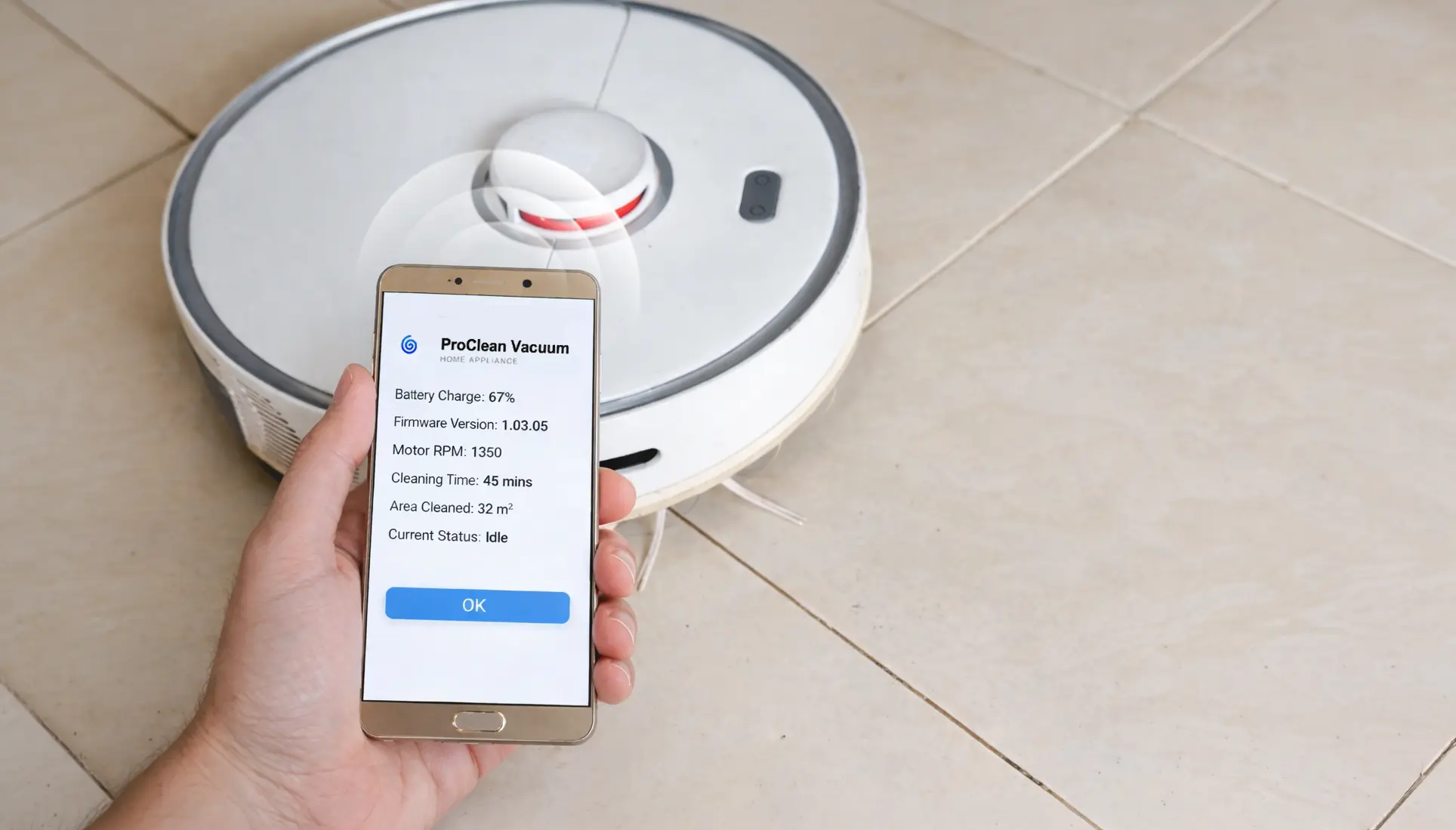
Fig. 6. A vacuum cleaner showing DPP information
NFC‑enabled DPPs allow customers to instantly access maintenance information, repair services, and authentic spare parts. By making repair and service more convenient, this approach helps extend product life and reduce unnecessary replacements. In addition, product‑usage data can be electronically updated to the NFC tag during normal operation, ensuring that the DPP always reflects accurate and up‑to‑date information. For example, a robot vacuum cleaner can update its total usage hours, allowing second‑hand buyers to verify whether the device has been heavily used. Despite this, all stored data remains fully retrievable through NFC without any internal power source, enabling customers and service partners to access essential product details anytime using just a smartphone.
Why Silicon Craft Products?
Silicon Craft’s NFC product portfolio delivers secure, durable, and user‑friendly access to product lifecycle data, ensuring seamless compliance with DPP requirements. Consumers can access detailed product information with a simple tap, supported by strong security features and robust data integrity. With NFC technology, the solution supports bothcloud‑connected and offline data storage, ensuring that DPP information remains available throughout the product’s entire lifespan, even in harsh or demanding environments.
Silicon Craft provides a versatile range of NFC tag options designed to support diverse product categories and use cases. It improves overall value, flexibility and scalability of DPP implements.
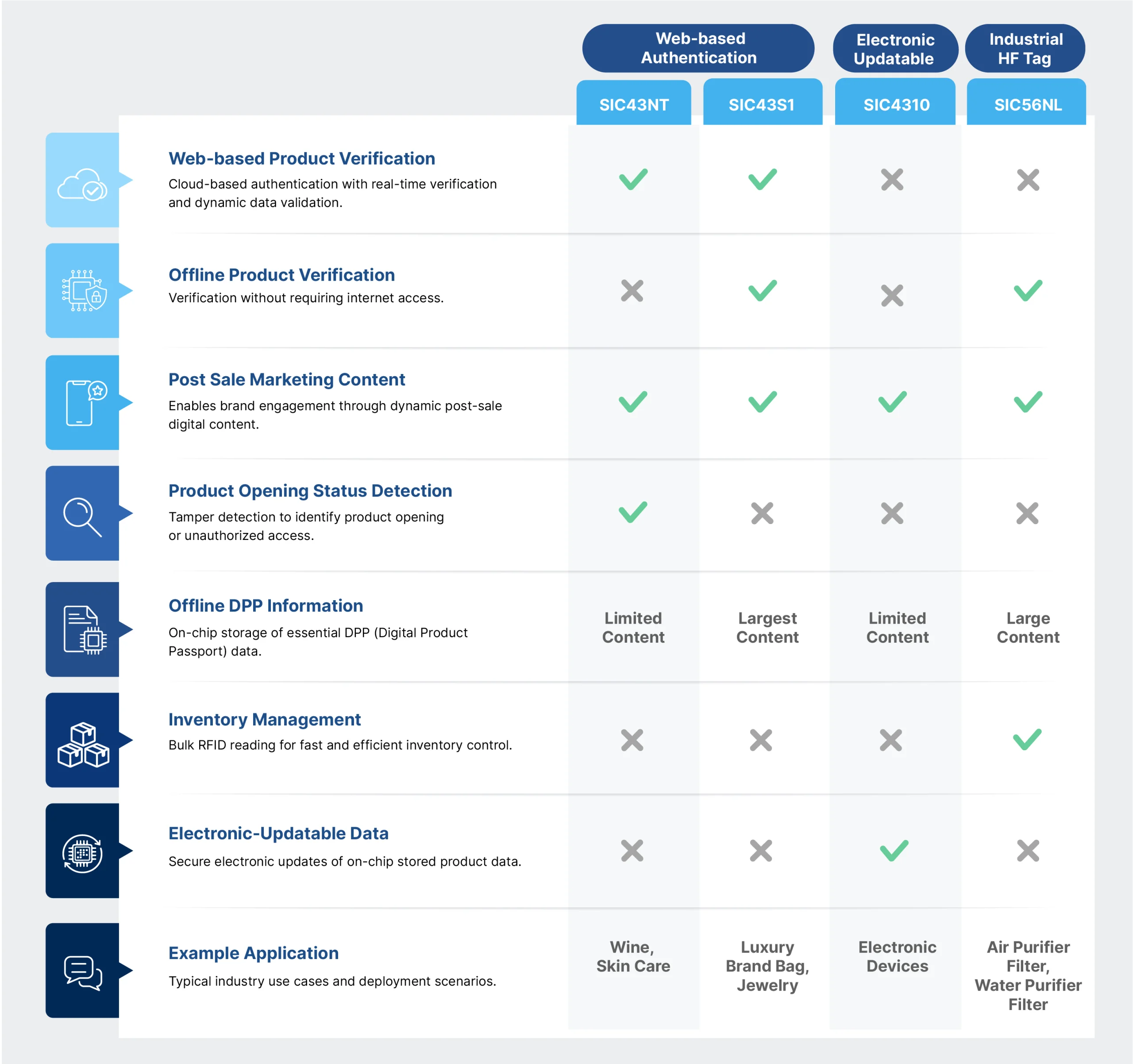
Fig. 7. Silicon Craft NFC product comparison table
Conclusion
Silicon Craft’s NFC microchips offer exceptional durability, secure data management, and flexible integration across a wide range of product categories—providing a strong, future‑ready foundation for brands advancing toward DPP compliance and circular‑economy goals.
Beyond technical excellence, Silicon Craft delivers unmatched reliability, long‑term supply stability. The strong technical support to help customers seamlessly integrate NFC into their products. Silicon Craft solutions empower businesses across all industries to enhance product value, improve user engagement, and enable smarter product ecosystems. The company also offers product‑customization options at reasonable volumes, combining high‑security performance with competitive pricing.</p>
With NFC products, brands gain not only advanced NFC technology but also a trusted partner committed to accelerating innovation. Streng
thening product value across every product generation.
References
[1] Ecodesign for Sustainable Products Regulation. (2024). European Commission.
[2] COMMUNICATION FROM THE COMMISSION Ecodesign for sustainable products and energy labelling working plan for 2025-2030. (2025). European Commission.
https://eur-lex.europa.eu/legal-content/EN/TXT/PDF/?uri=CELEX:52025DC0187