



Articles
LF RFID in Car Immobilizers, Invisible but Essential
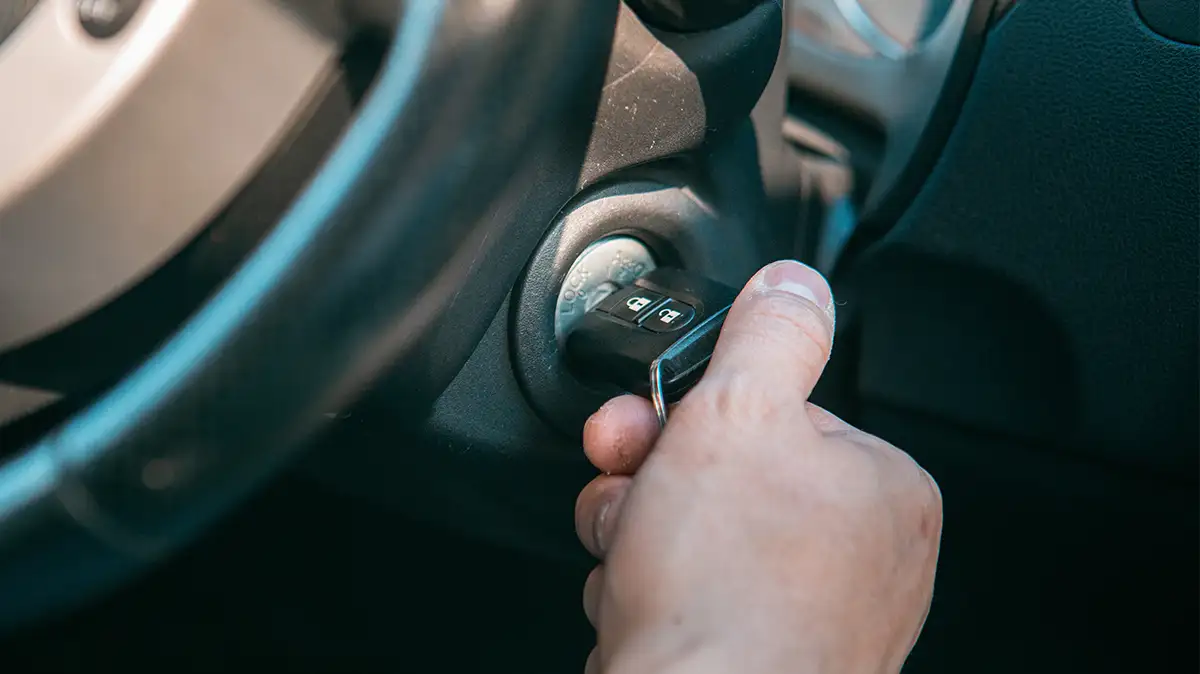
Why Low-Frequency RFID Remains the Foundation of Vehicle Security
While the auto industry buzzes about digital keys, Ultra-Wideband (UWB), and smartphone-based access, using LF RFID technology continues as the proven foundation of vehicle security, just as the Car immobilizer system has been a core safeguard in modern vehicles for years. This is for good reason.
Maturity Is a Feature, Not a Flaw
Many dismiss LF RFID as legacy technology, but maturity in security is a feature, not a flaw. In fact, the Car immobilizer benefits from decades of real-world deployment that have stress-tested it against countless attack scenarios. Newer wireless protocols, however capable, simply don’t have that track record yet.
No Battery, No Firmware, No Failure Points
There’s also a reliability advantage that’s easy to overlook. Because the transponder draws power directly from the vehicle’s reader field, there’s no battery to die. Furthermore, there is no firmware to update, and no connectivity to depend on. Above all, LF RFID provides consistent reliability for automotive security applications, especially when integrated into a Car immobilizer system.
A Security Layer That Keeps Evolving
The security layer has continued to evolve too. Modern car transponders now incorporate advanced cryptographic algorithms to ensure maximum protection against unauthorized access. To sum up, the LF RFID standard still remains the essential, time-tested foundation. In short, a Car immobilizer works alongside RFID technology to keep millions of vehicles safe globally every single day.